
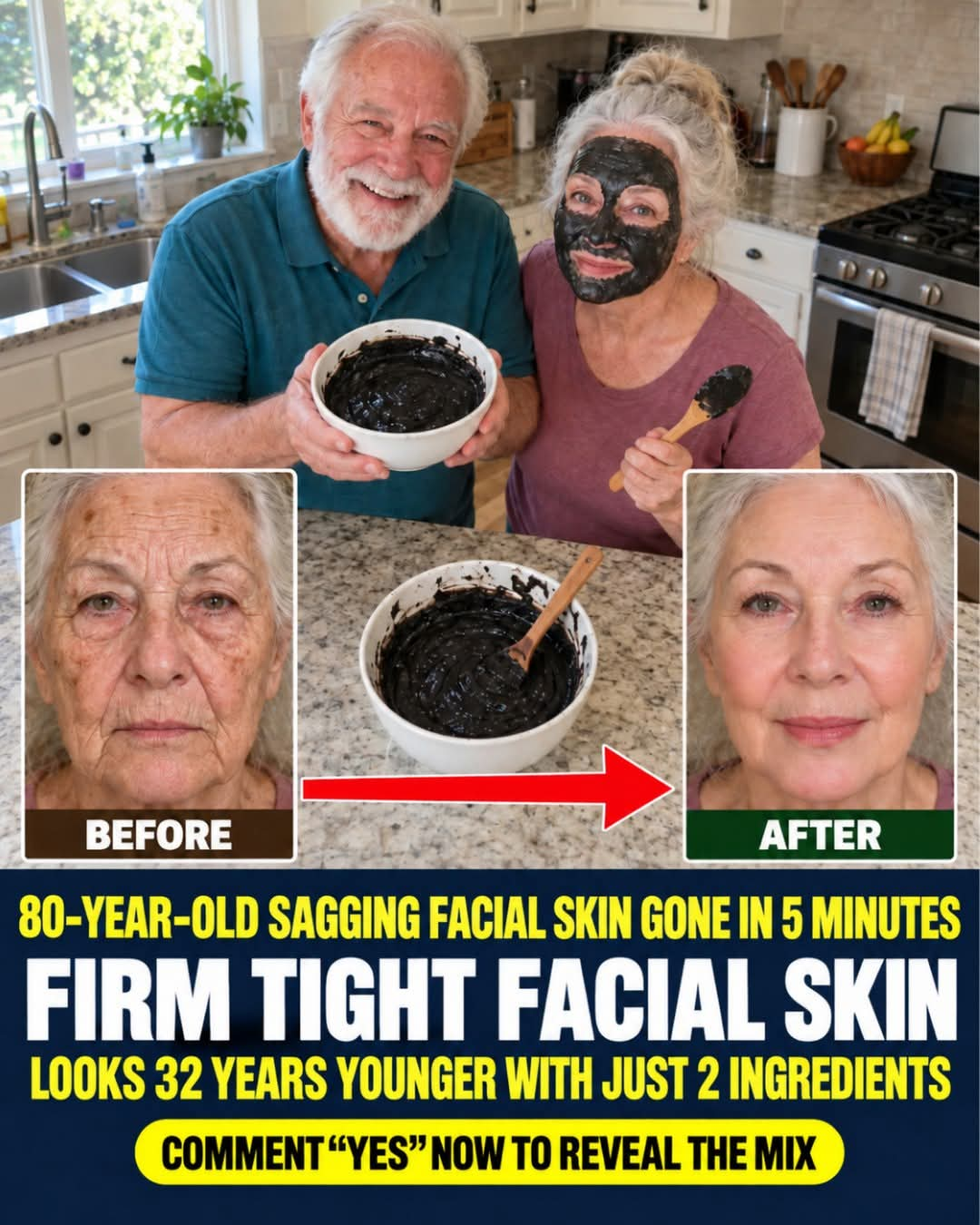
Deep facial wrinkles can make skin look older than it feels, especially when the cheeks start to look thin, dry, and crepey. That papery texture can make makeup settle into lines, highlight rough patches, and leave your face looking tired even after a full night of sleep. The frustrating part is that many people respond by scrubbing harder or masking longer, which often makes the skin look even tighter. The good news is that a simple kitchen ritual, done correctly, can help the surface look softer in just minutes. And there is one small detail most people miss that changes everything.
Why Deep Facial Wrinkles and Crepey Cheek Skin Look Worse Than They Feel
Deep facial wrinkles and crepey cheek skin are related, but they are not the same thing. A wrinkle is a line that stays in one place. Crepey skin is a broader texture problem, where the skin looks thin, wrinkled, and slightly crinkled across a wider area.
Research on skin aging shows that collagen and elastin naturally decline over time, while the outer layer of skin also holds less water. When that happens, the skin reflects light in a harsher way. Lines appear deeper. Cheeks look looser. The face can seem more tired than it really is.

Here is the part that matters most: dryness makes both problems look more dramatic.
When the skin is dehydrated, makeup clings to creases and the surface can feel tight after cleansing. Many people try to “fix” that with stronger exfoliation or longer masks, but that often strips the skin further. The result is usually more visible texture, not less.
The 2 Kitchen Ingredients Behind the Ritual
This ritual uses raw honey and cosmetic-grade activated charcoal. The combination may sound unusual, but each ingredient plays a different role on the skin.

What raw honey does for the skin
Honey is a humectant, which means it helps attract and hold water at the skin’s surface. In plain language, it can help skin feel less tight after rinsing. Reviews in cosmetic science and dermatology also describe honey as soothing and skin-conditioning when used briefly and washed off.
Honey does not rebuild collagen or erase deep wrinkles. But it can support a more comfortable surface, and that alone may make facial lines look a little softer.
What activated charcoal does for the skin
Cosmetic-grade activated charcoal is a very fine powder with a large surface area. In a rinse-off mask, it can help lift leftover oil, makeup residue, and dull debris from the outer layer of skin.

That said, charcoal is not a detox miracle. It does not pull toxins out of the body or cleanse organs. Those claims go too far. Used incorrectly, charcoal can also leave the skin feeling dry or chalky, which may make crepey skin look worse.
But that is not the whole story. When honey and charcoal are used together in the right ratio, the honey helps cushion the skin while the charcoal helps lift buildup. The result is a more balanced surface effect than either ingredient usually gives alone.
Honey vs. Charcoal: What Each One Is For
Here is a simple comparison that makes the method easier to understand.

| Ingredient | Helpful surface role | Risk if used the wrong way |
|---|---|---|
| Raw honey | Helps hold moisture and leaves skin feeling less tight | Can feel sticky if applied too thickly; avoid if you have a honey allergy |
| Cosmetic-grade activated charcoal | Lifts dull buildup and leftover film from the skin’s surface | May dry the skin if the ratio is too high or the mask stays on too long |
| 2:1 honey-to-charcoal mix | Helps skin look cleaner, softer, and less dull after rinsing | Overuse can make lines look sharper by drying the skin |
The working ratio is simple: 2 parts honey to 1 part charcoal. For most people, that means 1 teaspoon raw honey and 1/2 teaspoon activated charcoal powder.
How to Mix and Apply the 8-Minute Ritual
Gather everything before you begin so you are not searching through the kitchen with sticky hands. You will need:
- 1 teaspoon raw honey
- 1/2 teaspoon cosmetic-grade or food-grade activated charcoal powder
- A small glass or ceramic bowl
- A non-metal spoon
- Lukewarm water
- Your usual gentle cleanser and moisturizer
- A timer
Do not use grill charcoal, briquettes, or fireplace ash. Those products may contain additives that do not belong on facial skin.
Step-by-step directions
1. Wash your face with a mild cleanser and pat it dry so the skin is only slightly damp.
2. Place the honey in the bowl first, then sprinkle in the charcoal slowly and stir until you get a smooth paste.
3. If the mixture feels too thick, add 2 to 3 drops of water. If it feels too runny, add a tiny pinch more charcoal.
4. Spread a thin layer over the face, avoiding the eyes, lips, and nostrils. Use an especially light touch on the cheeks.
5. Set a timer for 8 minutes. Do not leave it on longer thinking it will work better.
6. Rinse with lukewarm water using gentle circular motions. Do not scrub.
7. Pat dry and apply moisturizer while the skin is still slightly damp.
The secret is not using more product or leaving it on longer. The secret is the short timer and the correct ratio.
What Softens — and What Stays the Same
It is important to keep expectations realistic. This ritual may help the face feel less tight, and makeup may sit more smoothly the next day. Cheeks can also look less dull and less papery in indoor lighting.
However, deep facial wrinkles do not disappear, and crepey cheek skin does not suddenly become youthful skin again. Collagen is not rebuilt by a pantry mask. Studies on honey and activated charcoal support surface cleansing, soothing, and skin-conditioning effects, not structural skin repair.
That does not make the ritual useless. It simply means the benefit is visual and temporary. For many people, that is enough to look more rested and refreshed.
5 Mistakes That Make Crepey Cheek Skin Look Worse
A simple ritual can still backfire if the method is sloppy. Here are the most common mistakes to avoid:
- Leaving the mask on for 20 or 30 minutes “for extra results”
- Using barbecue charcoal or fireplace ash instead of cosmetic-grade powder
- Applying the mask too close to the eyes
- Scrubbing it off as if it were a body polish
- Skipping moisturizer after rinsing
If the skin stings, rinse immediately and stop. Skin that feels sore is telling you the ritual is too harsh for your face.
How to Lock In a Softer Look After You Rinse
The mask is only half the ritual. What you do right after rinsing matters just as much.
Apply moisturizer while the skin is still slightly damp. That helps trap water at the surface and can reduce the tight, dry feeling that makes crepey skin stand out. If your moisturizer is very light, you can use a slightly richer cream on the mid-face, especially if your cheeks tend to feel dry quickly.
The next morning matters too. Daily sunscreen is one of the most important habits for slowing the appearance of deep wrinkles and crepey texture over time. UV exposure is a major reason skin becomes thinner, drier, and more textured.
Sleep, smoking, and washing with very hot water can also affect how the cheeks look. None of those habits are glamorous, but they make a real difference in skin appearance.
Who Should Skip This Ritual
This mask is not for everyone. Skip it if you have eczema, rosacea, open skin, a rash, a known honey allergy, or skin that stings easily after masks.
If you use prescription topical products, avoid stacking extra active steps on the same night. When in doubt, ask a dermatologist before trying charcoal on reactive skin.
Patch-testing is a smart first step. Mix a small amount and apply it to the inner arm or along the jawline. Wait at least a day if your skin is sensitive or easily irritated.
Start once a week. If your skin stays comfortable, twice a week is usually the upper limit for most people. More frequent use can dry the skin and make crepey texture look more obvious.
A Simple Weekly Plan That Fits Real Life
You do not need a complicated routine or a shelf full of products. A simple rhythm is often easier to follow and better for the skin.
- Once a week: Use the 8-minute honey-and-charcoal ritual at night.
- Every night: Cleanse gently and moisturize while the skin is still slightly damp.
- Every morning: Apply moisturizer and sunscreen.
- On off nights: Let the skin rest.
If your cheeks feel tight the next day, the charcoal amount was probably too high or the timer ran too long. Reduce both. Comfort is the sign that the ritual is working with your skin, not against it.
Actionable Tips You Can Start Tonight
Here is a simple way to try the ritual without overthinking it:
1. Check that you have cosmetic-grade or food-grade activated charcoal, not grill charcoal.
2. Mix 2 parts honey with 1 part charcoal in a small bowl.
3. Apply a thin layer to clean, slightly damp skin.
4. Set an 8-minute timer and rinse with lukewarm water.
5. Moisturize immediately after patting the skin dry.
6. Use sunscreen the next day, even if you stayed indoors most of the morning.
7. Watch how your skin feels, not just how it looks. Less tightness usually means the method is gentle enough for you.
This step-by-step approach keeps the ritual simple, safe, and easy to repeat.
Conclusion
Deep facial wrinkles and crepey cheek skin often look worse because the surface is dry, dull, and uneven. A short honey-and-charcoal ritual can help lift buildup, support moisture at the surface, and make the skin look softer and more rested.
Keep the ratio at 2:1. Keep the timer at 8 minutes. Moisturize while the skin is still damp. Expect a calmer, cleaner look, not a completely new face.
The surprise is how little time it takes when the details are done right.
FAQ
Does this 2-ingredient ritual remove deep facial wrinkles permanently?
No. It may help the skin look smoother, softer, and more hydrated for a short time, but it does not permanently remove deep wrinkles. Long-term changes depend on genetics, sun exposure, daily skin care, and sometimes professional treatment.
Can regular barbecue charcoal be used on the face?
No. Only cosmetic-grade or food-grade activated charcoal should be used on skin. Grill charcoal and briquettes can contain additives that are not meant for facial use.
How often should this be used on crepey cheek skin?
Start once a week. If your skin stays comfortable, twice a week is usually the upper limit for most people. More frequent use may dry the skin and make lines look more noticeable.
Disclaimer: This article is for general informational purposes only and is not a substitute for professional medical advice, diagnosis, or treatment. If you have a skin condition, allergy, or persistent irritation, consult a qualified healthcare professional or dermatologist before trying any new topical mixture.