
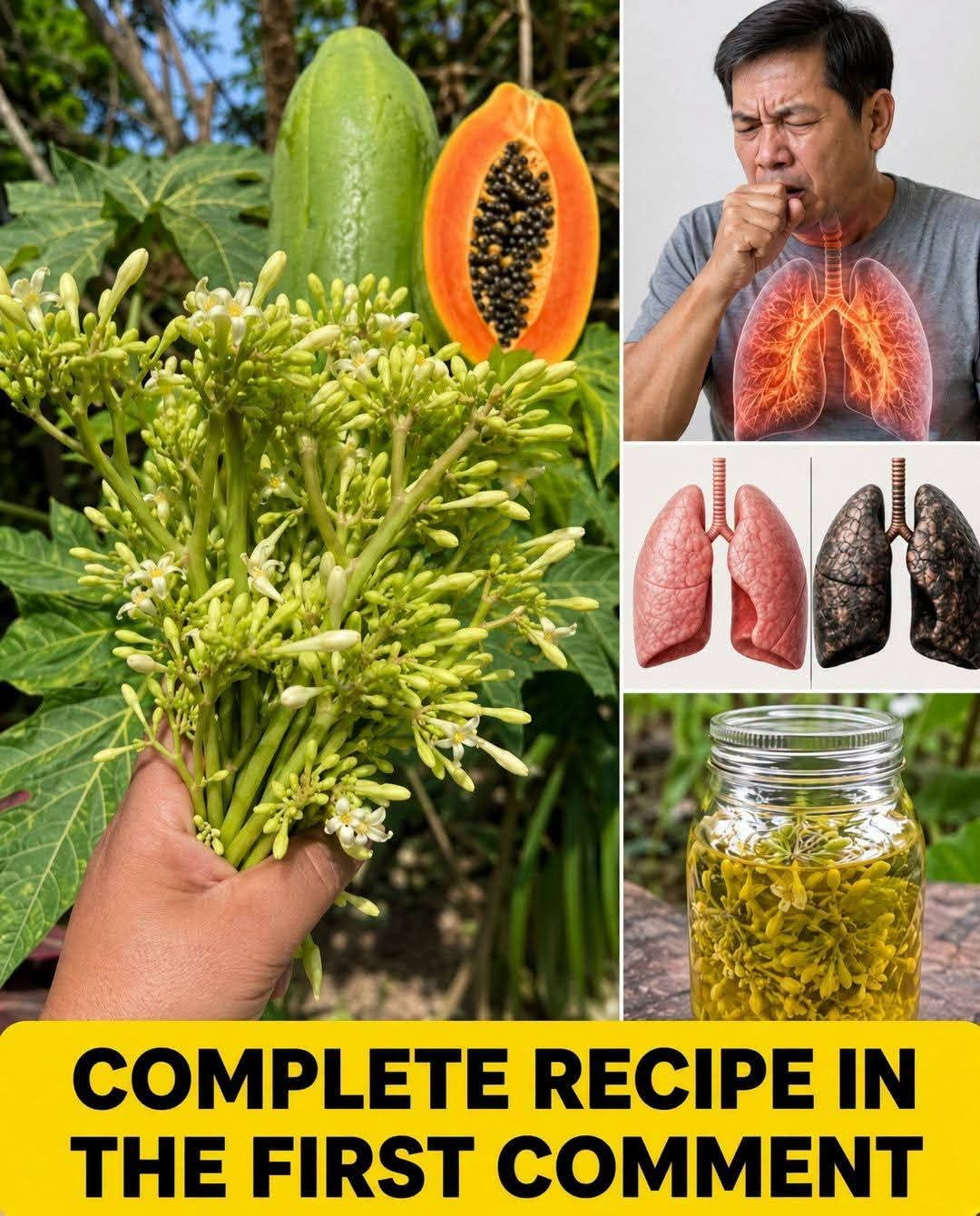
Papaya is well known for its sweet fruit and nutritious seeds, but the flowers of the papaya plant are also used in traditional cooking and herbal preparations in several parts of the world.
Papaya flowers contain various plant compounds and are sometimes prepared as vegetables, teas, or infusions. They are often promoted online as a natural remedy for respiratory problems, digestion, inflammation, blood sugar, and other conditions. However, scientific evidence for many of these medicinal claims is still limited. Papaya flowers should be viewed primarily as a traditional food rather than a proven treatment.
Here are 17 ways papaya flowers are traditionally valued or being studied:
- Digestive support – They can be incorporated into meals as a source of plant compounds and fiber.
- Antioxidant activity – Papaya flowers contain compounds with antioxidant potential.
- Traditional respiratory preparations – Some cultures use papaya flowers in homemade preparations for coughs and throat discomfort.
- Nutritional variety – Eating edible flowers can add variety to the diet.
- Traditional anti-inflammatory use – Papaya plant parts have been investigated for compounds with anti-inflammatory properties.
- Blood-sugar research – Extracts from papaya flowers have been studied experimentally, although this does not establish them as a diabetes treatment.
- Heart-health nutrition – Their plant compounds may contribute to a varied diet, but they should not be considered a treatment for cardiovascular disease.
- Traditional fever preparations – Papaya leaves and other plant parts have been used traditionally in some regions.
- Appetite and meal variety – Cooked papaya flowers can be prepared as a vegetable.
- Source of plant compounds – Flowers contain naturally occurring phytochemicals that continue to be studied.
- Traditional stomach remedies – Some communities include papaya flowers in preparations intended to soothe digestive discomfort.
- Culinary use – Young flowers can be cooked with garlic, onion, spices, or other vegetables.
- Potential antimicrobial activity – Laboratory studies of papaya plant compounds have explored antimicrobial effects, but this does not mean papaya flowers cure infections.
- Traditional wellness drinks – Flowers may be infused in hot water as a mild herbal beverage.
- Dietary antioxidants – Including a variety of plant foods helps diversify antioxidant intake.
- Low-calorie ingredient – When prepared without excessive oil or sugar, flowers can fit easily into many meals.
- Traditional herbal interest – Papaya flowers remain an interesting subject for nutritional and botanical research.
if you have properly identified edible papaya flowers, one of the easiest ways to enjoy them is by cooking them with garlic and onion.
Ingredients
- 1 cup cleaned young papaya flowers
- 2 garlic cloves, finely chopped
- ½ small onion, sliced
- 1 tablespoon olive oil
- A pinch of salt
- Black pepper
- A squeeze of lemon
- Optional: fresh ginger or chili
Step 1: Clean the flowers
Remove damaged parts and wash the flowers thoroughly under clean running water.
Step 2: Blanch them
Place the flowers in boiling water for approximately 2–3 minutes, then drain them. This can soften their texture and reduce some of their naturally bitter flavor.
Step 3: Heat the oil
Warm the olive oil in a pan over medium heat.
Step 4: Cook the onion
Add the sliced onion and cook until it begins to soften.
Step 5: Add the garlic
Add the chopped garlic and cook briefly, taking care not to burn it.
Step 6: Add the papaya flowers
Add the cleaned flowers and sauté for several minutes until tender.
Step 7: Season
Add a small amount of salt and black pepper. Fresh ginger or chili can be added for extra flavor.
Step 8: Finish with lemon
Turn off the heat and add a squeeze of fresh lemon juice.
Serve warm as a side dish with rice, beans, vegetables, or your favorite protein.
Can Papaya Flowers Treat Lung Disease?
The image suggests that papaya flowers can clean or repair the lungs, but there is not enough clinical evidence to support that claim. A cough, persistent mucus, wheezing, shortness of breath, or chest pain can have many causes and should not be treated solely with an herbal preparation.
Likewise, papaya flowers cannot replace prescribed treatment for asthma, pneumonia, chronic lung disease, or other respiratory conditions.
Papaya flowers can certainly be an interesting traditional ingredient, but their greatest established role is as a food. Enjoy them as part of a varied diet, and avoid relying on dramatic claims that a homemade flower preparation can cure serious diseases.