
Disclaimer Please read this carefully before proceeding. The information provided in this article is strictly for educational and informational purposes only. We do not take any responsibility for the preparation, consumption, or effects of homemade fermented drinks or plant infusions. Foraging and preparing wild foods carry inherent risks. Always consult a qualified professional, botanist, or medical expert before consuming wild plants, especially those known to contain potentially toxic compounds.

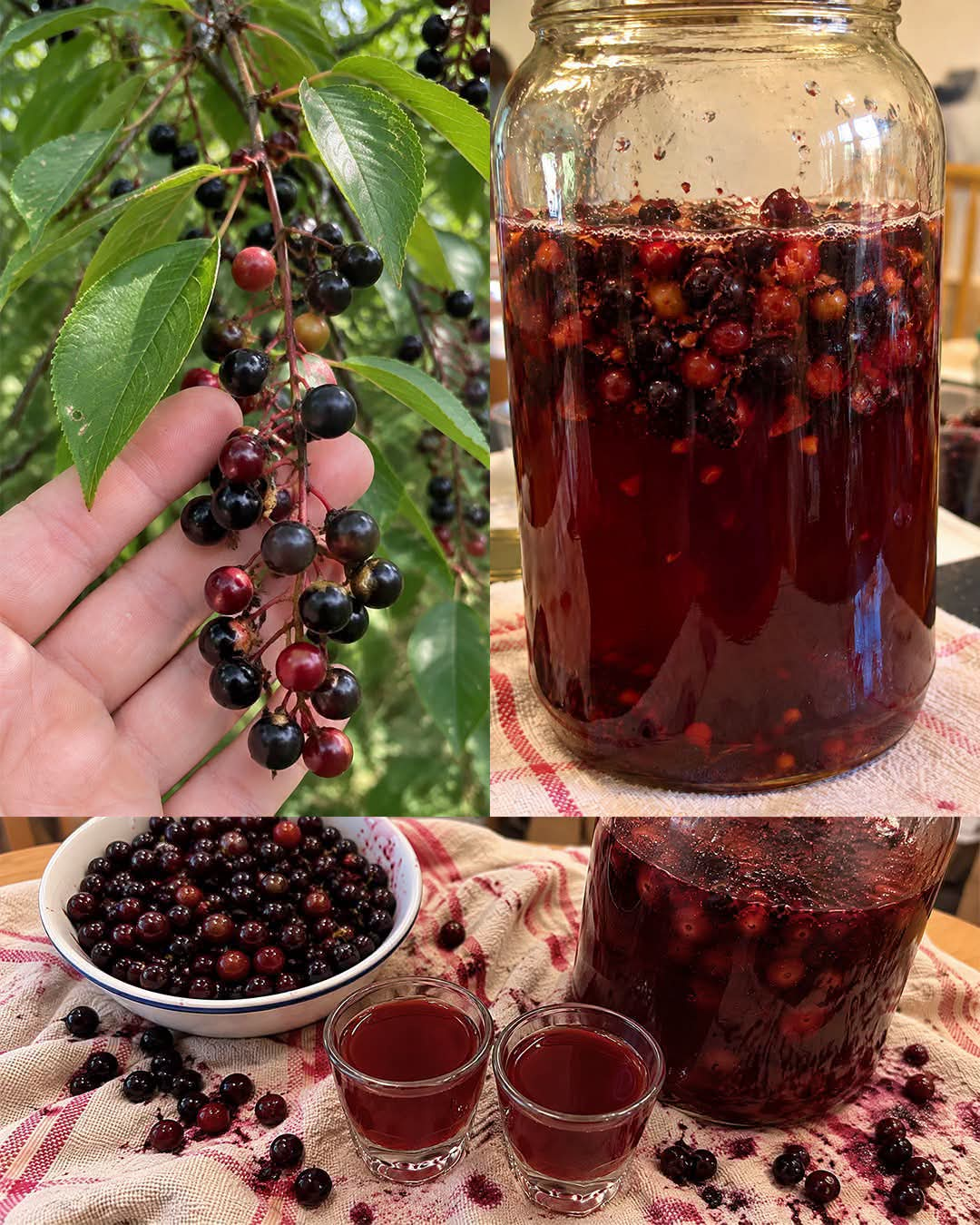
The wild black cherry (Prunus serotina) is a widely known tree that produces clusters of small, dark, and bittersweet fruits. For generations, these little fruits have been a prized ingredient for homemade beverages. While they can be quite tart when eaten fresh off the branch, the true power of the wild black cherry shines when it is processed and transformed. Through the traditional practices of fermentation and steeping, these fruits can be used to create an array of delicious, fizzy, and potent homemade drinks.
From bubbly probiotic tonics to deep, rich fruit wines and classic spirit infusions, the wild black cherry has a long history in the home kitchen. Because the fruits harbor natural wild yeasts on their skins, they are naturally inclined to ferment when combined with water and a sugar source. However, working with wild black cherries requires strict adherence to safety rules, as certain parts of the plant are not safe for human consumption. By understanding how these drinks were traditionally made, you can safely harness the flavor and power of the fruit.
The Power of the Wild Black Cherry The appeal of the wild black cherry goes beyond its seasonal abundance. The fruit provides a rich, complex flavor that balances sharp acidity with deep, dark fruit notes. When used in homemade drinks, the wild black cherry offers several distinct advantages:×
Ad-free reading
Sick of ads?
Read every guide with nothing in the way. No banners, no video, no pop-ups. Just the article.Go ad-free
From $2.99 a month · Cancel anytime
- Natural Fermentation: The skins of the fruit are naturally covered in wild yeasts, meaning they can spontaneously ferment without the need for store-bought yeast packets.
- Deep Flavor Profile: The tartness of the fresh flesh mellows out significantly during fermentation or alcohol infusion, leaving behind a rich and highly desirable cherry flavor.
- Incredible Versatility: The juice and flesh can be easily adapted into both non-alcoholic probiotic sodas and strong, long-steeped traditional alcoholic liqueurs.
Safety First: The Golden Rule of the Pit Before you begin making any wild black cherry drinks, it is absolutely essential to understand the plant’s natural biology. While the flesh and the juice of the fully ripe black cherry are completely edible and excellent for fermentation, other parts of the tree are strictly off-limits.
The seeds (often called pits), leaves, twigs, and bark of the wild black cherry contain cyanogenic glycosides. When these parts are crushed, chewed, or damaged, they can release toxic compounds, which includes hydrogen cyanide. Consuming these compounds in large quantities can be extremely dangerous and harmful to your health.
To safely use wild black cherries, you must look at how they were traditionally processed by early foragers and homesteaders. The traditional, time-tested method focuses on extracting the juice and flavor while leaving the hard pits entirely intact.
Here are the critical safety rules for handling the fruit:
- Never crush the pits: When mashing the fruit to release its juices, you must use a gentle hand. Use a flat wooden spoon or a soft muddler to burst the skins and press the flesh. Do not use blenders, food processors, or heavy mechanical presses that could crack or grind the hard inner seed.
- Sort carefully: Remove all leaves, stems, and twigs before processing the fruit. Only the ripe, dark berries should go into your preparation vessel.
- Strain thoroughly: After the fermentation or infusion process is complete, the liquid must be strained carefully through a fine mesh or cloth to ensure no pits or tiny seed fragments remain in the final drink.
Traditional Ways to Make Wild Black Cherry Drinks Historically, people utilized the wild black cherry in a few distinct ways to preserve its harvest and extract its flavor. Here are the most common traditional methods for homemade use:
- Sparkling Cordials and Probiotic Tonics
- This method creates a fizzy, mildly fermented drink. Ripe black cherries are lightly smashed (keeping pits completely intact) and placed in a jar with water and raw sugar or honey.
- The natural wild yeasts on the cherry skins feed on the sugar, creating natural bubbles of carbon dioxide.
- This is typically a short fermentation process, lasting only a few days to a week. The result is a refreshing, bubbly tonic.
- Once the liquid reaches the desired fizziness, it is carefully strained to remove the pits and pulp, then bottled and stored in the cold refrigerator to stop the fermentation.
- Wild Cherry Wine and Fermented Beverages
- For a stronger, fully alcoholic beverage, the wild cherries are used to brew traditional fruit wine.
- The fruits are gently mashed and combined with water, a larger amount of sugar, and sometimes additional brewing yeast if the natural wild yeast is not active enough.
- The mixture is left to ferment for several weeks or months. Over time, the sugars are fully converted into alcohol.
- Because this is a longer process, traditional winemakers are exceptionally careful to ensure no crushed pits enter the brewing vessel. A long soak with broken seeds would ruin the wine and make it unsafe.
- Liqueurs and Infusions (The Classic “Cherry Bounce”)
- One of the most famous historical uses for wild black cherries is a traditional drink known as “Cherry Bounce.”
- Instead of active fermentation, this method relies on alcohol infusion. Whole or gently bruised cherries are placed into a large glass jar and covered with high-proof spirits, most commonly rum, brandy, bourbon, or whiskey.
- Sugar is often added directly to the jar to sweeten the final product. The mixture is sealed and left to steep in a dark, cool place for several months.
- The alcohol extracts the deep colors and flavors from the fruit flesh. After the steeping period, the solid fruits and whole pits are strained out and discarded, leaving behind a smooth, deeply flavored homemade cherry liqueur.
The Traditional Workflow for the Home Kitchen If you plan to utilize wild black cherries at home, following a step-by-step traditional workflow ensures both the best flavor and the highest level of safety.
- Step 1: The Harvest: Pick only the ripest, darkest cherries. Green or underripe cherries will be far too astringent and lack the necessary natural sugars for a good fermentation.
- Step 2: The Cleaning: Wash the fruit thoroughly in cold water. Pick through the berries one by one, removing any stems, leaves, and unripe fruit that may have fallen into your basket.
- Step 3: The Gentle Mash: Place the cleaned berries into a large, non-reactive container, such as a glass jar or a ceramic crock. Using a flat wooden spoon, gently press down on the berries just enough to pop the skins and release the juice.
- Step 4: The Steep or Ferment: Add your liquid (water and sugar for tonics, or spirits for an infusion) according to your chosen method. Cover the vessel appropriately. For active ferments, use a breathable cloth to let gases escape. For spirit infusions, use an airtight lid.
- Step 5: The Separation: Once the flavor is extracted or the fermentation is complete, pour the mixture through a large kitchen strainer to catch the bulky pulp and the pits. Follow this by pouring the liquid through a finer sieve or layered cheesecloth to catch any tiny particles.
- Step 6: The Storage: Store the finished, strained liquid in clean glass bottles. Keep active fermented tonics in the refrigerator to prevent the bottles from over-pressurizing, and keep spirit infusions in a cool, dark cabinet.
The wild black cherry is a remarkable natural resource with a rich history in home brewing and infusion. By understanding the plant’s unique properties and respecting the traditional, gentle methods of processing the fruit, you can unlock its deep, complex flavors. Whether you prefer a quick, bubbly probiotic tonic or a slow-steeped traditional Cherry Bounce, the key is patience, careful sorting, and always keeping the pits perfectly intact. Enjoy the process of learning about traditional foods, and always prioritize safety in your home kitchen.