
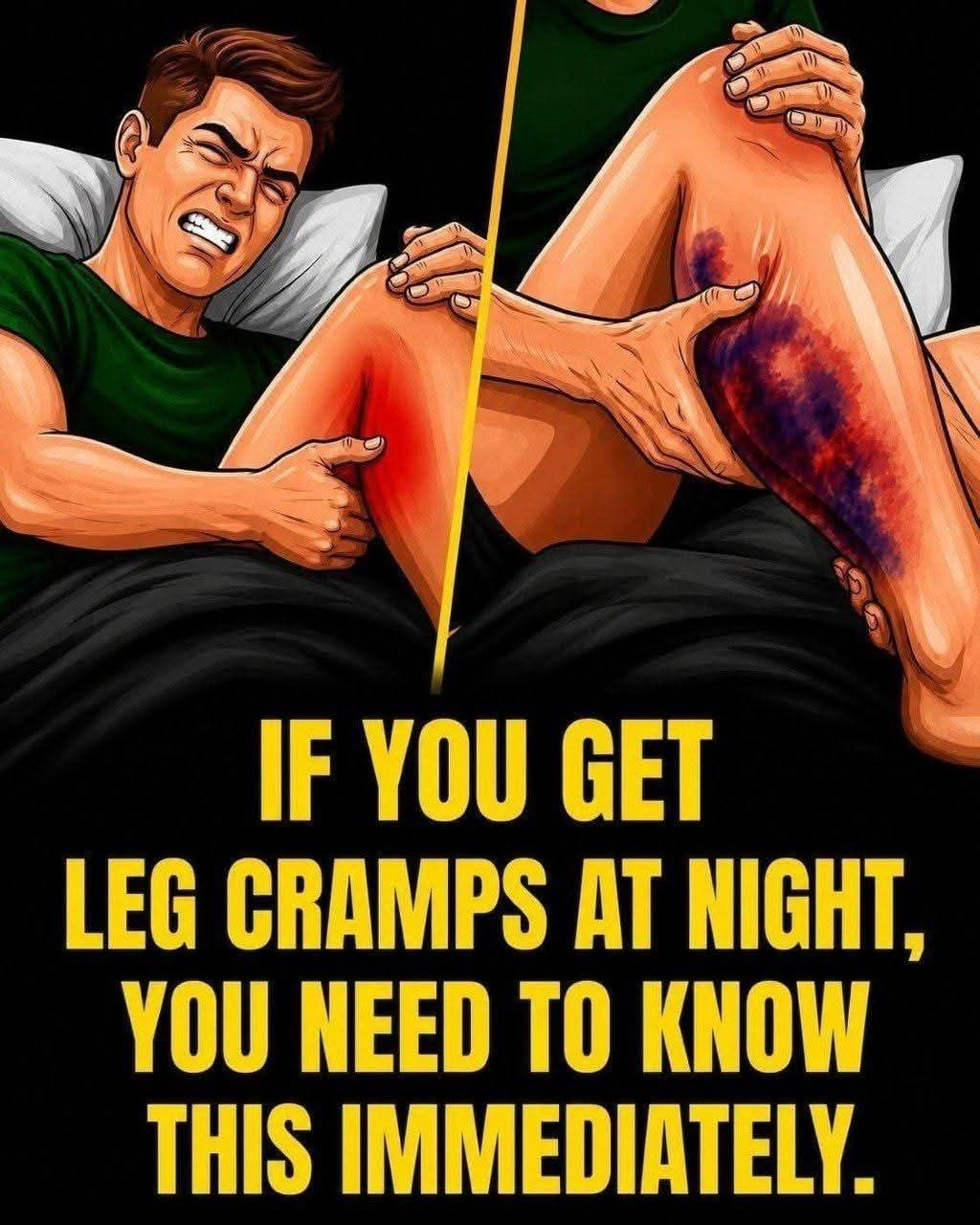
Waking suddenly with a painfully tight calf or foot can be alarming. The muscle may feel as if it has turned into a hard knot, and even after the spasm releases, soreness can remain for hours. Nighttime leg cramps are extremely uncomfortable, but in many cases they are not a sign of a dangerous disease.
Still, recurring cramps should not automatically be blamed on dehydration or a lack of magnesium. Night leg cramps can have many possible triggers, ranging from muscle fatigue and prolonged sitting to medications, pregnancy,
nerve problems, circulation disorders, and certain medical conditions.
Understanding the difference between an ordinary muscle cramp and symptoms that deserve medical attention is important. It can also prevent people from taking unnecessary supplements or relying on home remedies that may not address the real cause.
What Exactly Is a Nighttime Leg Cramp?
A nocturnal leg cramp is a sudden, involuntary and often painful tightening of a muscle while you are resting or sleeping. The calf is the most common location, although cramps can also affect the feet, toes or thighs.
During a cramp, the affected muscle may become visibly or noticeably hard. The contraction usually resolves on its own, but the muscle can remain tender afterward.
Some people experience a cramp only occasionally. Others may have repeated episodes that interrupt sleep several nights per week.
Why Do Leg Cramps Often Happen at Night?
There is no single explanation for every case. In fact, many nighttime leg cramps are considered idiopathic, meaning that no specific underlying cause can be identified.
Several factors may make the muscles more vulnerable while you are
resting. The position of the foot during sleep can shorten the calf muscles, especially when the toes point downward. Muscles that have already been fatigued during the day may then be more likely to contract suddenly.
Changes in nerves, tendons and muscle tissue with age may also help explain why nighttime cramps become more common in older adults.
1. Muscle Fatigue and Overuse
A demanding day can sometimes be followed by a painful night. Walking much farther than usual, exercising intensely, climbing stairs, standing for long periods or suddenly increasing
workout intensity can fatigue the muscles.
The result may not appear immediately. Instead, the calf or foot may suddenly tighten several hours later while you are sleeping.
This is particularly likely when someone begins a new exercise program or performs an activity their muscles are not accustomed to.
Gradually increasing activity, warming up appropriately and allowing adequate recovery can help reduce excessive muscular strain.
2. Too Little Movement Can Also Be a Problem
Interestingly, cramps are not limited to people who exercise heavily. Spending many hours sitting in the same
position may also contribute.
Long periods at a desk, in a car or on a couch can leave the muscles stiff. Limited movement may reduce flexibility and alter how the muscles respond when you eventually lie down.
Taking regular movement breaks throughout the day can be useful, particularly for people with sedentary jobs.
3. Dehydration May Contribute, But It Is Not the Only Explanation
Dehydration is frequently blamed for every muscle cramp. The relationship is more complicated.
Significant fluid loss, particularly from heavy sweating, vomiting, diarrhea or prolonged exercise in
hot conditions, can affect normal muscle and nerve function. In these situations, dehydration and changes in electrolytes may contribute to cramping.
However, many people who experience nighttime cramps are adequately hydrated. Drinking enormous amounts of water before bed is therefore not a guaranteed cure and may simply lead to repeated nighttime trips to the bathroom.
A better approach for most healthy adults is maintaining reasonable hydration throughout the day and paying additional attention to fluid replacement during hot weather or prolonged physical activity.
4. Electrolytes: Potassium, Magnesium, Calcium and Sodium
Muscles depend on carefully regulated electrical signals. Minerals including sodium, potassium, calcium and magnesium are involved in normal nerve transmission and muscle contraction.
Major abnormalities in these electrolytes can cause muscular symptoms, including weakness, twitching or cramps.
But having a leg cramp does not automatically mean that you are deficient in magnesium or potassium.
Taking supplements without knowing whether a deficiency exists is not always helpful and can occasionally be harmful. Excess potassium, for example, can be dangerous in people with impaired kidney function or those taking certain medications.
People
with persistent cramps should discuss supplementation with a healthcare professional rather than assuming that a particular mineral is missing.
But dehydration and tired muscles are only part of the story. Some recurring cramps are connected to medications, nerves or circulation, and the accompanying symptoms can provide important clues.
5. Certain Medications Can Be Associated With Muscle Symptoms
When nighttime cramps suddenly begin after starting a medication or changing a dose, it is worth mentioning the timing to a doctor or pharmacist.
Different medications can influence muscles indirectly through fluid balance,
electrolyte levels, circulation or other mechanisms. Muscle symptoms have been reported with a variety of medicines, although a cramp occurring while taking a medication does not necessarily prove that the drug caused it.
Depending on the individual situation, medications that affect fluid or electrolyte balance may deserve particular consideration.
Some people taking cholesterol-lowering medications also report muscle pain or cramping. Muscle symptoms associated with these medicines should be evaluated rather than automatically assumed to be an ordinary nighttime cramp.
Never stop a prescription medicine suddenly because of leg cramps unless
a healthcare professional tells you to do so. The medication may be important for controlling blood pressure, heart disease or another medical condition.
6. Pregnancy
Leg cramps are common during pregnancy, particularly later in pregnancy. Changes in circulation, muscle workload and body mechanics may all contribute.
Gentle stretching and appropriate physical activity may help some pregnant people, but persistent or unusual leg pain should be discussed with a healthcare professional.
Pregnancy also increases the risk of blood clots, so one-sided leg swelling, warmth, redness or persistent pain should never simply
be dismissed as a muscle cramp.
7. Age-Related Changes
Nighttime leg cramps become increasingly common with age.
Muscle mass may gradually decrease, tendons can become less flexible, activity patterns change and older adults are more likely to take medications or have health conditions that influence muscles and nerves.
Regular strength and mobility exercises appropriate for a person’s health and ability can help maintain muscle function as the years pass.
8. Nerve Compression and Neurological Problems
Sometimes a problem involving the nerves can produce pain, tightness, twitching or sensations that people
describe as cramps.
Nerves traveling from the lower spine eventually supply the legs. Irritation or compression of these nerves can therefore cause symptoms that extend into the buttock, thigh, calf or foot.
Clues suggesting a nerve-related problem may include numbness or tingling, burning or electric-like pain, pain traveling from the back into the leg, persistent weakness, changes in sensation, or symptoms associated with certain back positions.
These symptoms deserve medical evaluation, especially if weakness is developing or worsening.
9. Diabetes
Diabetes can affect nerves and blood vessels over time. Diabetic peripheral neuropathy, for example, may cause burning, tingling, numbness, sensitivity or pain in the feet and legs.
These sensations are not necessarily true muscle cramps, but they may occur at night and can easily be confused with them.
Anyone with diabetes who develops new foot or leg symptoms should pay particular attention to changes in sensation, skin injuries and wounds that are slow to heal.
10. Peripheral Artery Disease
Peripheral artery disease, or PAD, occurs when narrowed arteries reduce blood flow to the limbs, usually the legs.
A classic symptom PAD discomfort is not the same thing as a brief nighttime muscle cramp, but the two can be confused.
Risk factors for PAD include smoking, diabetes, high blood pressure, abnormal cholesterol and increasing age.
Possible warning signs include repeated leg discomfort when walking, a foot that feels unusually cold, slow-healing sores on the feet or toes, changes in skin color, weak pulses in the
These symptoms should be medically assessed rather than treated solely with stretching or supplements.
11. Kidney, Thyroid and Other Medical Conditions
Persistent muscle cramps can occasionally accompany medical conditions that affect nerves, metabolism, circulation, fluid balance or electrolyte regulation.
Depending on the person’s other symptoms and medical history, a clinician may consider kidney problems, thyroid disorders, metabolic abnormalities or neurological conditions.
This does not mean that frequent leg cramps automatically indicate serious disease. Most people with cramps will not have one of these conditions.
The important point is that persistent symptoms should be considered in the context of the whole person rather than diagnosed from a single symptom.
Is It a Leg Cramp or Restless Legs Syndrome?
Restless legs syndrome is frequently confused with nighttime leg cramps, but they are different problems.
A true cramp involves a sudden painful contraction of a muscle. The muscle may feel extremely tight or hard.
Restless legs syndrome usually causes an uncomfortable urge to move the legs while resting. People may describe crawling, pulling, tingling or unpleasant sensations
that improve temporarily with movement.
The muscle itself does not necessarily become locked into a painful contraction.
Because the treatments are different, correctly identifying the sensation matters.
Could a Blood Clot Feel Like a Cramp?
A deep vein thrombosis, or DVT, is a blood clot that forms in a deep vein, commonly in the leg.
DVT pain can sometimes be mistaken for muscle soreness or cramping. However, a blood clot usually does not behave like a typical brief nighttime cramp that tightens intensely and then disappears.
Concerning features can include
persistent one-sided pain, swelling, warmth, tenderness or changes in skin color.
If these symptoms occur, especially after prolonged immobility, surgery, hospitalization, pregnancy, certain medical treatments or a long journey, prompt medical assessment is important.
Chest pain, sudden unexplained shortness of breath, coughing up blood, fainting or severe difficulty breathing can indicate a pulmonary embolism and requires emergency medical attention.
Knowing what may be behind the cramps is useful, but what you do in the first few seconds of an attack can make a major difference in how quickly the muscle
What to Do Immediately When a Calf Cramp Strikes
When a calf suddenly contracts, the instinct may be to curl the foot downward. That can actually keep the calf shortened.
Instead, gently straighten the leg and bring the toes toward the shin. This lengthens the calf muscle.
Do not violently force the stretch. Slow, steady pressure is usually more appropriate.
If you can safely stand, placing the affected foot flat on the floor and gently shifting weight onto it may also help.
Try Gentle Movement
Once the most intense pain begins to settle, walking slowly for a short period can help the muscle return to normal activity.
Some people find gentle massage helpful as well.
Avoid aggressive deep massage if the leg is unusually swollen, red, warm or persistently painful, because those symptoms need medical assessment rather than routine cramp treatment.
Heat May Help the Muscle Relax
A warm shower, warm towel or heating pad may feel soothing after a cramp.
If using a heating pad, follow its safety instructions and avoid falling asleep while using a device that
is not designed for unattended overnight use.
People with reduced sensation in their feet or legs, including some people with diabetic neuropathy, should be especially cautious with heat because burns may occur without being immediately noticed.
Stretching Before Bed
Regular calf stretching is one of the simplest strategies to try for recurrent nocturnal cramps.
One option is a standing wall stretch. Place your hands against a wall, move one leg behind you, keep the heel on the floor and gently lean forward until you feel a stretch in the calf.
Hold the position comfortably without bouncing, then repeat on the other side.
The goal is gentle flexibility, not forcing the muscle until it hurts.
Pay Attention to Your Foot Position in Bed
Some people sleep with their feet strongly pointed downward, which keeps the calf muscles shortened.
Heavy or tightly tucked bedding can sometimes encourage this position.
Keeping the feet in a more neutral position may be worth trying if cramps frequently occur while sleeping.
Stay Reasonably Active
Regular movement supports muscle conditioning and general cardiovascular health.
Walking, cycling and
other appropriate activities can help, but exercise should usually be increased gradually rather than dramatically.
If you have been inactive for months, suddenly beginning an intense training program may increase muscle soreness and cramping rather than prevent it.
Hydrate Throughout the Day
Instead of drinking a huge amount of water immediately before sleeping, spread fluid intake throughout the day.
People who sweat heavily because of exercise, heat or physical work may need additional fluids.
Fluid requirements vary according to body size, activity, climate, diet, pregnancy and health conditions.
People with
heart failure, advanced kidney disease or other conditions requiring fluid restrictions should follow their clinician’s instructions rather than generic hydration advice.
Does Eating a Banana Before Bed Prevent Cramps?
Bananas contain potassium and can certainly be part of a healthy diet. However, eating a banana before bed is not a guaranteed treatment for nocturnal leg cramps.
If someone actually has low potassium, identifying why it is low is more important than simply eating one particular food.
For people with normal potassium levels, additional potassium may not solve the problem.
Does Magnesium Stop Nighttime Leg Cramps?
Magnesium is probably the supplement most commonly recommended online for leg cramps.
Magnesium is essential for normal nerve and muscle function, and a true magnesium deficiency can produce muscular symptoms.
However, ordinary nighttime leg cramps do not automatically indicate magnesium deficiency, and supplementation does not consistently eliminate cramps in everyone.
Magnesium supplements can also cause diarrhea and may be inappropriate for certain people, particularly those with impaired kidney function.
If cramps are frequent enough to consider regular supplementation, discussing the issue with a healthcare professional
What About Potassium Supplements?
Potassium supplements should not be taken casually for unexplained cramps.
The body tightly regulates blood potassium because both very low and very high levels can interfere with normal heart and muscle function.
Kidney disease and several common medications can increase the risk of dangerously high potassium.
A balanced diet is generally safer than self-treating unexplained cramps with high-dose potassium products.
Calcium and Vitamin D
Calcium is essential for muscle contraction, while vitamin D contributes to normal bone and muscle health.
Deficiencies can cause health
problems, but taking these nutrients simply because a calf cramped at night is not a reliable diagnostic strategy.
If symptoms or risk factors suggest a deficiency, a clinician can determine whether testing or supplementation is appropriate.
What About Pickle Juice?
Pickle juice has become popular among athletes for acute exercise-associated cramps. Some research has explored whether the strong taste may trigger nerve reflexes that influence cramping rather than working simply by rapidly replacing electrolytes.
That does not make pickle juice a universal treatment for recurrent nighttime cramps.
It can also contain substantial sodium, which may be undesirable for some people.
Should You Drink Tonic Water?
Tonic water contains quinine in small amounts, which is why it sometimes appears in discussions about leg cramps.
Quinine has been used medically for cramps in the past, but it can cause serious adverse effects and is not an appropriate casual home treatment for routine nighttime leg cramps.
Do not use quinine-containing medications for cramps unless specifically directed by a qualified healthcare professional.
Can Compression Socks Prevent Cramps?
Compression garments can be useful for certain circulation-related conditions, but they are not a universal treatment for nocturnal muscle cramps.
The correct type and level of compression depends on the reason for wearing them.
People with suspected arterial circulation problems should seek medical advice before assuming that compression is appropriate.
When Home Remedies Are Not Enough
Most nighttime cramps eventually disappear, but there are situations where waiting and experimenting with home remedies is the wrong approach.
Seek medical advice if the cramps become frequent, severe, progressively worse, repeatedly disturb sleep, or appear after starting or changing a Evaluation is also appropriate when cramps are accompanied by persistent numbness, tingling, weakness, unexplained weight changes, significant fatigue, recurrent swelling or symptoms affecting walking.
Warning Signs That Need Prompt Medical Attention
Persistent one-sided leg swelling, redness, warmth or tenderness should not simply be treated as an ordinary cramp.
A leg that suddenly becomes very swollen or painful may require prompt medical assessment, particularly if risk factors for a blood clot are present.
Sudden chest pain, unexplained shortness of breath, coughing up blood, fainting or severe breathing difficulty can indicate
a medical emergency and require immediate emergency care.
The Bottom Line
Nighttime leg cramps are common and often harmless, but they can have many possible causes. Muscle fatigue, prolonged inactivity, dehydration, significant electrolyte abnormalities, pregnancy, medications, aging, nerve problems and circulation disorders may all contribute.
The most important thing is not to assume that every cramp has the same explanation. A brief calf spasm after an unusually active day is very different from persistent one-sided pain accompanied by swelling or neurological symptoms.
For ordinary cramps, gently stretching the calf, moving
carefully, staying reasonably active and maintaining appropriate hydration may help. Supplements should not automatically be the first solution, particularly when no deficiency has been confirmed.
If nighttime cramps become frequent, severe, persistent or are accompanied by unusual symptoms, discussing them with a healthcare professional can help identify the underlying cause and determine the safest approach.