
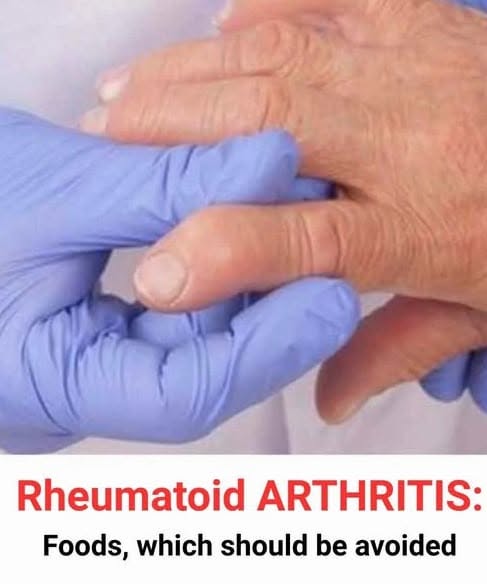
Living with rheumatoid arthritis means planning around a condition that can change from day to day, not simply putting up with sore joints. The main takeaway is practical: build routines that protect function, notice patterns without blaming yourself, and keep a steady relationship with a qualified health professional. Rheumatoid arthritis, often called RA, is an autoimmune disease in which the immune system attacks the body’s own tissues, most often affecting joints with pain, swelling, stiffness, and loss of function, according to the National Institute of Arthritis and Musculoskeletal and Skin Diseases. Because RA can also affect fatigue, mood, sleep, work, family roles, and confidence, daily coping is both physical and emotional. This guide focuses on everyday decisions: how to read your body’s signals, organize your home and schedule, talk with clinicians, and avoid unsupported promises while still making room for a full life.
What Rheumatoid Arthritis Can Change
RA is different from ordinary wear-and-tear arthritis. It often affects the lining of joints and may appear in a symmetrical pattern, such as both hands, both wrists, or both feet. The NIAMS overview notes that common symptoms include joint pain, tenderness, swelling, warmth, stiffness after rest, fatigue, occasional low-grade fever, and loss of appetite. The small joints of the hands and feet are common early sites, but wrists, elbows, shoulders, knees, ankles, jaw, and other joints can also be involved. Mayo Clinic also explains that RA can affect areas beyond the joints, including the skin, eyes, lungs, heart, blood vessels, nerve tissue, and blood, which is one reason regular clinical follow-up matters for many people with the condition Mayo Clinic.

Recognizing Patterns Without Blaming Yourself
One of the hardest parts of living with RA is its unpredictability. Symptoms may become more active for a time and then settle down, and sometimes the reason is not obvious. NIAMS describes possible flare triggers such as stress, cigarette smoke, viral infections, too much activity, or suddenly changing prescribed plans, while also noting that some flares have no clear cause NIAMS. Pattern tracking can still be useful, especially when it is gentle and specific. Instead of asking, “What did I do wrong?” try recording what you noticed: morning stiffness length, swollen joints, fatigue level, sleep quality, recent illness, unusually repetitive tasks, stressful events, and activities that felt easier than expected. That kind of record can help a clinician see trends and can help you plan the next week more realistically.
Helpful perspective
A flare is not a character flaw, and a quieter week is not proof that RA has disappeared. Think of tracking as weather notes for your body: useful for planning, imperfect for prediction, and never a reason to blame yourself.
Building a Joint-Friendly Daily Routine
A joint-friendly routine is not about doing as little as possible. It is about choosing movement, rest, tools, and timing with more intention. The CDC says self-care strategies for RA include being physically active, keeping a healthy weight, avoiding joint injuries and highly repetitive motions, and not smoking CDC. The CDC also points people with arthritis toward physical activity and self-management education resources, including programs designed to help people add activity safely CDC physical activity guidance. In everyday terms, that can look like breaking chores into shorter sessions, alternating hand-heavy tasks with lighter ones, using larger handles, keeping frequently used items between waist and shoulder height, and choosing supportive footwear. A useful routine may include:
- Morning setup: allow extra time for stiffness, keep clothing simple to fasten, and avoid scheduling the most demanding task first.
- Task pacing: divide cooking, cleaning, errands, and computer work into shorter blocks with planned pauses.
- Joint protection: use two hands for heavier objects, slide items across counters when safe, and use tools that reduce gripping force.
- Movement variety: alternate sitting, standing, walking, stretching, and hand-resting positions during the day.
- Evening review: note what helped, what aggravated symptoms, and what should be adjusted tomorrow.

Work, Chores, and Home Setups
RA can make ordinary tasks surprisingly complex: opening jars, carrying laundry, chopping vegetables, typing, driving, gardening, lifting a grandchild, or standing long enough to finish dishes. Small changes often matter because they lower the strain repeated across a day. NIAMS notes that physical therapists can help with overall strength and specific joints, while occupational therapists can teach ways to protect joints, reduce pain during tasks, perform activities of daily living, and conserve energy NIAMS care guidance. At home, think in zones. Put heavier pots where they can be lifted with less reach. Use lightweight cookware, pump bottles, electric can openers, jar grippers, lever-style handles, rolling carts, and chairs or stools for seated prep. At work, a more comfortable keyboard, voice input, adjustable chair, task rotation, and planned breaks may make long days more sustainable. These changes are not about giving up independence; they are ways of spending effort where it matters most.
Energy, Rest, and the Social Side of RA
Fatigue can be one of the most misunderstood parts of RA. It may not match how much you slept, and it may not be visible to other people. Because RA can affect daily function and energy, many people benefit from describing fatigue plainly: “I can come for one hour,” “I need a seat near the door,” or “I can help plan, but I cannot carry boxes today.” Relationships often improve when requests are concrete. Instead of waiting until you are overwhelmed, consider naming the task you need help with, the time frame, and what would make participation easier. Rest also works best when it is planned rather than only used after a crash. Short pauses, earlier meal prep, grocery delivery, fewer back-to-back commitments, and a realistic bedtime routine can protect the parts of life you most want to keep.

What to Bring to Medical Visits
RA is usually evaluated through a combination of a physical exam, health history, lab tests, and imaging, according to the CDC CDC. MedlinePlus notes that a provider may refer someone to a rheumatologist, a clinician who specializes in arthritis care MedlinePlus. A visit is easier when you bring focused information rather than trying to remember everything under pressure. Useful details include which joints hurt or swell, whether both sides are affected, how long morning stiffness lasts, how fatigue changes your day, whether symptoms affect work or sleep, and any new symptoms outside the joints. Bring a current list of prescribed products, over-the-counter products, supplements, allergies, and major health changes. Seek urgent help rather than waiting for a routine appointment if you have chest pain, sudden trouble breathing, fainting, stroke-like symptoms, a severe allergic reaction, high fever with feeling very unwell, or a rapidly worsening hot swollen joint. Those warning signs can have many causes, but they deserve prompt medical attention.
Food, Supplements, and Internet Advice
Food choices can support general health, energy, and household routines, but RA deserves caution around sweeping promises. NCCIH reports that research on many complementary approaches for RA is limited, and that some approaches may need adaptation for comfort and safety NCCIH. It also warns that some arthritis products marketed as supplements have been found to contain hidden prescription ingredients. A practical approach is to keep meals steady and nourishing, avoid overly restrictive plans unless a qualified clinician recommends them for your situation, and discuss any supplement or major diet change with a qualified health professional. This is especially important if you already have other health conditions, allergies, planned procedures, or a complex care plan. Online advice can be useful for questions to ask; it should not be treated as a personal medical plan.
Important
This page provides general information and is not medical advice. Decisions about symptoms, tests, activity, supplements, or any personal health plan should be made with a doctor or qualified health professional who knows your history.
Article Summary
Living with rheumatoid arthritis is a long-term process of noticing, adapting, and asking for the right support. The condition can affect joints, energy, daily tasks, work, family life, and sometimes other body systems. A useful plan usually includes clear symptom tracking, realistic pacing, joint-friendly tools, appropriate movement, good communication with loved ones, and regular care with qualified professionals. The goal is not to make every day identical; it is to make more days workable, more choices informed, and more of your energy available for the people and activities that matter to you.
Common Questions
How is rheumatoid arthritis different from osteoarthritis?
Rheumatoid arthritis is an autoimmune condition in which the immune system attacks body tissues, often the joint lining. Osteoarthritis is more closely linked with wear, aging, and joint use over time. Some people can have more than one joint condition, so a qualified clinician is the right person to sort out what is happening.
Why are mornings often harder with RA?
Morning stiffness is common in RA, especially after a long period of rest. If mornings are difficult, it may help to allow extra time, prepare clothing and breakfast items the night before, and track how long stiffness lasts so you can describe the pattern clearly at appointments.
Can people with rheumatoid arthritis still exercise?
Many people with arthritis are encouraged to stay physically active in ways that fit their abilities, and CDC resources point to arthritis-appropriate activity and self-management programs. The right type and pace vary by person, so it is sensible to ask a qualified health professional how to adapt activity during painful or unusually swollen periods.
What should I track between appointments?
Track the joints involved, swelling, stiffness duration, fatigue, sleep, activities that were difficult, new symptoms outside the joints, and any practical limits at home or work. Short notes are better than a complicated system you will not keep using.
Are supplements safe for rheumatoid arthritis?
Not automatically. NCCIH notes that research is limited for many complementary approaches and that some products promoted for arthritis have contained hidden ingredients. Discuss supplements with a qualified health professional, especially if you have other conditions or use prescribed products.
Article References
Trusted sources help support the cooking guidance, ingredient advice, and kitchen tips in this article.
- https://www.niams.nih.gov/health-topics/rheumatoid-arthritis
- https://www.niams.nih.gov/health-topics/rheumatoid-arthritis/diagnosis-treatment-and-steps-to-take
- https://www.cdc.gov/arthritis/rheumatoid-arthritis/index.html
- https://www.cdc.gov/arthritis/prevention/index.html
- https://medlineplus.gov/rheumatoidarthritis.html
- https://www.mayoclinic.org/diseases-conditions/rheumatoid-arthritis/symptoms-causes/syc-20353648
- https://www.nccih.nih.gov/health/rheumatoid-arthritis-in-depth