
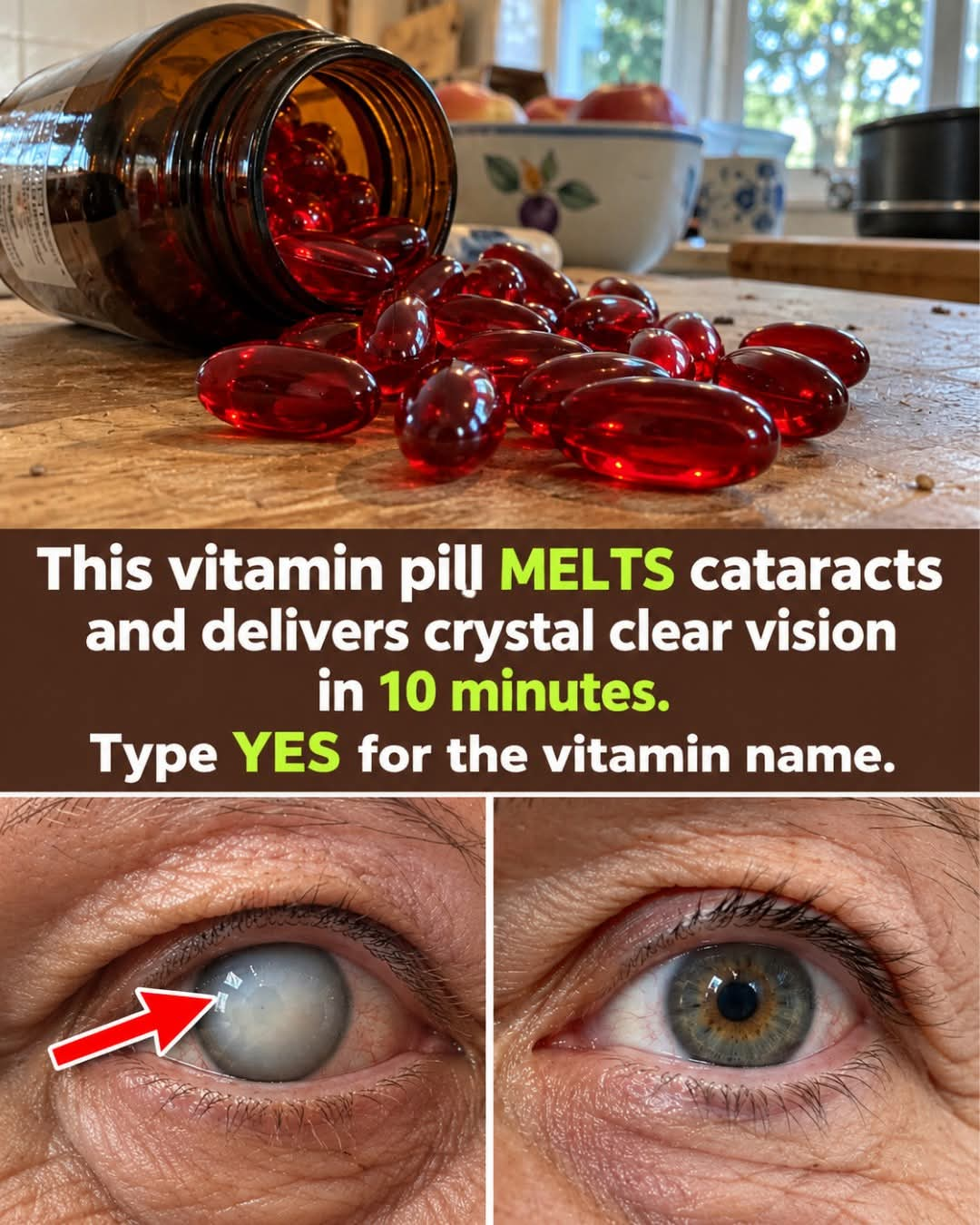
Cloudy vision can make everyday life feel frustrating fast. Street signs blur sooner, reading becomes tiring, and bright light can suddenly feel harsh. When that happens, people naturally look for something simple, quick, and affordable. That urgency is exactly why dramatic “10-minute” vision claims spread so easily. But the real story is more useful than the headline, and it starts with understanding what is actually happening inside the eye.

Why Cloudy Vision Happens in the First Place
One of the most common causes of cloudy or hazy vision is a cataract, which happens when the eye’s natural lens becomes less clear over time. This process usually develops slowly, not overnight. Age, sun exposure, smoking, diabetes, and long-term inflammation can all increase risk. In some people, the change is subtle at first; in others, glare, dull colors, and blurred details become hard to ignore.
The important thing is this: cloudy vision is a symptom, not a diagnosis. That means the cause needs proper evaluation before anyone assumes a supplement is the answer. And that is where many people get misled. The promise sounds simple, but the eye is more complex than a social media caption makes it seem.
The Claim That Grabs Attention
The viral idea is powerful because it speaks directly to a real fear: losing clear sight. It also offers something people want desperately—speed. But vision changes from cataracts do not usually reverse in minutes. Research and eye-care guidance consistently show that supplements may support general eye health, yet they do not remove an existing cataract or instantly restore lens clarity.
That does not make the idea useless. It just means the benefit is support, not a miracle.

What the Softgel Is Actually Trying to Do
Here is the part many posts leave out: the softgel shown in these claims is most plausibly a vitamin A supplement. Vitamin A is well known for supporting normal vision, especially the retina’s ability to function properly in low light. It also plays a role in maintaining the surface of the eye.
But vitamin A is not a cataract eraser. In other words, it may help if someone is deficient, but it does not act like a fast “lens cleaner.” That distinction matters because it separates a real nutrient from an exaggerated promise.
Why This Nutrient Is Connected to Eye Health
Vitamin A helps the body make compounds involved in light detection. It also supports healthy tissues in the eye. Studies show that deficiency can contribute to night vision problems and dry eye symptoms. So yes, the nutrient matters. But the effect depends on the person, their diet, and whether they are actually low in it.
That is why a supplement may be useful in some cases and unnecessary in others. The body does not respond to nutrients like a light switch. It responds gradually, based on need.

What the Other Parts of the Routine Usually Mean
Most label-based supplement routines are simple: one softgel and water, often with food. Taking it with a meal that contains some dietary fat can improve absorption, because vitamin A is fat-soluble. That means the body absorbs it better when fat is present.
Here’s the key point: the method is about supporting absorption, not creating instant vision changes. That difference is essential for safe expectations.
Typical label-based use
• Take the serving listed on the product label
• Swallow with water
• Use it with or after a meal that contains some fat
• Do not exceed the recommended amount without medical advice
And that last point matters more than people realize. Fat-soluble vitamins can build up in the body if overused.

Why the “10 Minutes” Promise Is Misleading
Here’s the truth: a vitamin softgel does not dissolve cataracts in 10 minutes. Cataracts are structural changes in the lens, not a temporary coating. If vision improves right after taking a supplement, that improvement is more likely due to lighting, blinking, reduced eye strain, or expectation—not a sudden reversal of lens clouding.
Still, the claim works emotionally because it offers immediate hope. But the safer, more realistic message is this: nutritional support may help eye health over time, while cataract symptoms need proper evaluation.
The Realistic Recipe Behind the Claim
This is the simplest version of the routine people are referring to:
What is used: one vitamin A softgel and water.
How it is taken: with or after a meal that includes some fat, following the package directions exactly.
When it is used: as a daily supplement only if appropriate for the person’s needs and label instructions.
Why this matters: vitamin A is absorbed better with fat, and correct dosing helps reduce the risk of taking too much.
What the Potential Benefits Look Like in Real Life
When used appropriately, vitamin A may support normal vision and eye surface health. In people who are not getting enough of it, correcting a deficiency can make a meaningful difference in how the eyes function. But the benefit is usually gradual and depends on the underlying issue.
Possible support may include:
• Better nutritional support for normal vision
• Help maintaining healthy eye tissues
• Support for low-light vision when deficiency is present
• General eye-health support as part of a balanced diet
However, if the issue is cataracts, the expected benefit is not instant clarity. That is why eye exams remain so important.
Common Mistakes People Make
One common mistake is taking more than the label recommends, thinking more will work faster. That is not how fat-soluble vitamins behave. Another mistake is using supplements to delay an eye exam when vision is changing. That can waste time if the real problem needs professional care.
Here are the biggest errors to avoid:
• Assuming all blurry vision is caused by the same thing
• Expecting immediate results from a nutrient supplement
• Taking extra capsules “just in case”
• Ignoring worsening glare, halos, or reading difficulty
• Skipping medical advice when symptoms keep progressing
And there is one more mistake worth mentioning: using social media claims as a substitute for evidence. That is where people get hurt, not helped.
Who This Approach Is Best For
This kind of supplement-based support is most relevant for adults who may have low vitamin A intake, eat a limited diet, or have been told by a clinician that supplementation is appropriate. It may also fit people who want to support general eye nutrition as part of a broader healthy routine.
It is not a replacement for medical care if someone has persistent cloudy vision, sudden changes in sight, eye pain, flashes, or new floaters. In those cases, an eye-care professional should evaluate the cause promptly.
How to Use It Safely and Sensibly
If a vitamin A softgel is being used, the safest approach is simple and practical:
1. Read the label carefully.
2. Take only the recommended serving.
3. Swallow it with water.
4. Use it with a meal that contains some fat.
5. Track any vision changes and note whether they are gradual or sudden.
6. Schedule an eye exam if symptoms continue or worsen.
This is the kind of routine that respects both nutrition and safety. It is also far more believable than a promise of instant cataract reversal.
Frequently Asked Questions
Can a vitamin softgel remove cataracts?
No. Vitamin A supports normal vision and eye health, but cataracts generally do not disappear from supplements alone. They need proper evaluation, and treatment depends on severity and symptoms.
How long does vitamin A take to affect vision?
If someone is deficient, improvement can take time and varies by person. It is not an instant fix, and it does not create clear vision in minutes.
Should vitamin A be taken with food?
Yes, it is usually better absorbed with a meal that contains some fat. Always follow the product label or a clinician’s advice.
Conclusion
Cloudy vision can be stressful, and that is why bold claims spread so quickly. But the real value here is not a miracle headline—it is understanding what vitamin A can and cannot do. It supports normal vision, especially when deficiency is involved, yet it does not dissolve cataracts or restore perfect clarity in minutes. The smartest move is to use supplements carefully, follow label directions, and get an eye exam if vision changes are ongoing.
Clear sight deserves accurate information, not hype.
Disclaimer: This article is for educational purposes only and is not a substitute for professional medical advice, diagnosis, or treatment. If you have persistent or worsening vision changes, please consult a qualified eye-care professional.