
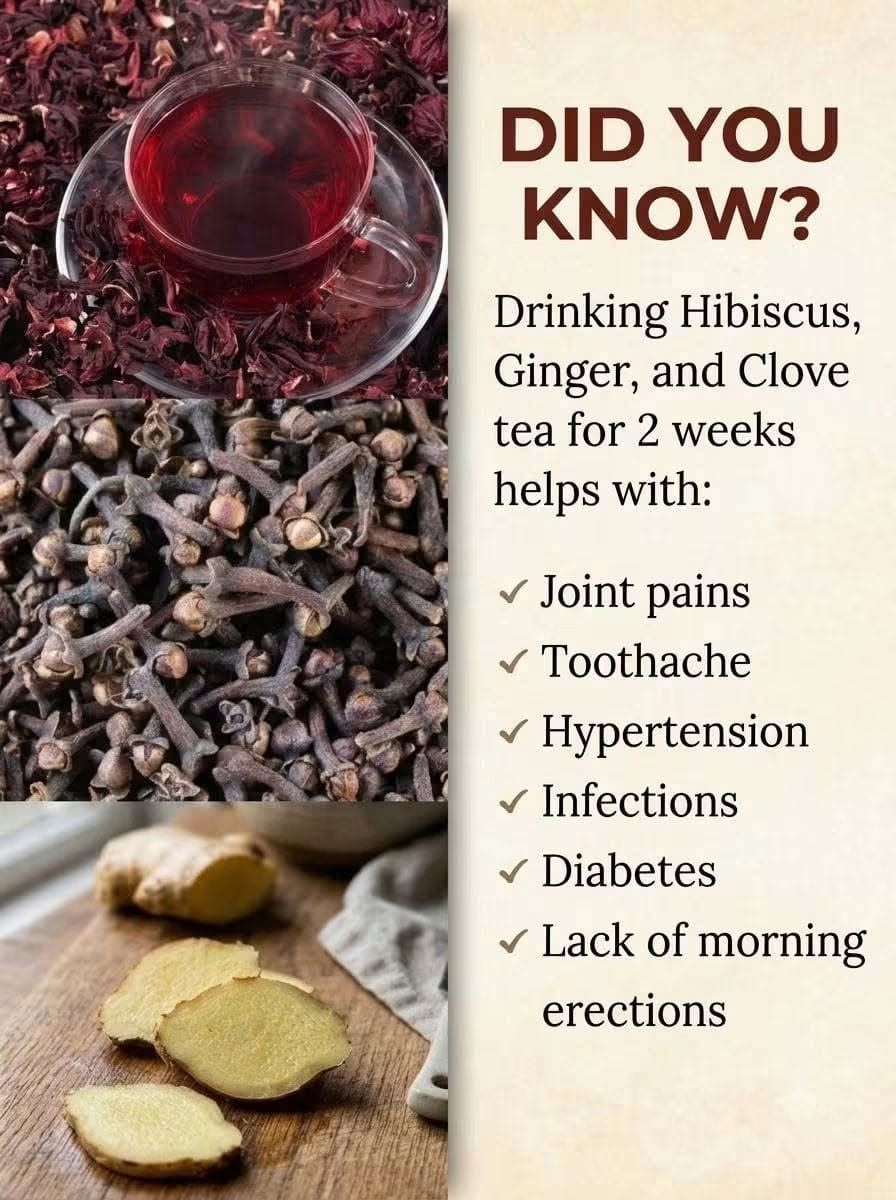
Hibiscus, Ginger, and Clove Tea: A Delightful Blend for Health and Wellness
In recent years, herbal teas have gained popularity for their numerous health benefits and rich flavors. One such invigorating blend, hibiscus, ginger, and clove tea, is not only aromatic but also packed with potential wellness benefits. This unique infusion combines three natural ingredients, each celebrated for their advantageous properties. In this article, we will delve into the various health benefits associated with hibiscus, ginger, and clove tea, explore the preparation methods, and discuss important precautions for safe consumption.
Understanding the Ingredients: Hibiscus, Ginger, and Cloves
Hibiscus
Hibiscus sabdariffa, commonly known as hibiscus, is a vibrant flower known for its deep red hue and tart flavor. This flower is packed with anthocyanins and other polyphenols, which contribute to its well-established antioxidant properties. Traditionally, hibiscus tea has been consumed not just for its flavor but also for its potential role in supporting overall health.
Ginger
Zingiber officinale, or ginger, is a well-known root that has been used for centuries in culinary and medicinal practices. It contains active compounds like gingerols and shogaols, which are associated with anti-inflammatory benefits and digestive support. Ginger tea is particularly popular for its warming effects and ability to soothe gastrointestinal discomfort.
Cloves
Syzgium aromaticum, commonly known as cloves, are aromatic flower buds that are highly regarded for their strong flavor and potential health benefits. Cloves are rich in eugenol, which possesses antioxidant and antimicrobial properties, making them a valuable addition to herbal teas.
Potential Health Benefits of Hibiscus, Ginger, and Clove Tea
1. May Support Healthy Blood Pressure
Multiple studies have explored the blood pressure-lowering effects of hibiscus tea. Research suggests that the high levels of anthocyanins in hibiscus may promote healthy blood pressure levels, particularly in individuals with hypertension. Nevertheless, individuals on blood pressure medications should consult with their healthcare provider before incorporating hibiscus tea into their routine.
2. Abundant Antioxidant Properties
The combination of hibiscus, ginger, and clove grants this tea a substantial antioxidant profile. Antioxidants play a crucial role in protecting the body’s cells against oxidative stress and free radical damage. Regular consumption of this tea may contribute to long-term wellness by mitigating the impacts of aging and environmental toxins.
3. Supports Joint Comfort
Ginger, in particular, has gained attention for its potential anti-inflammatory properties. Some studies indicate that ginger consumption may alleviate symptoms associated with joint discomfort, such as in osteoarthritis. While research on ginger tea specifically is limited, the inclusion of ginger in this herbal mix may provide soothing relief for those suffering from joint-related issues.
4. Promotes Digestive Wellness
With its well-known ability to ease nausea, ginger contributes significantly to digestive health. Drinking hibiscus, ginger, and clove tea after meals may help enhance digestion and curb discomfort. Its warming sensation can foster better gut health, making it a preferred choice for many individuals post-meal.
5. Antimicrobial Effects
Cloves contain eugenol, which has been studied for its potential antimicrobial benefits. While laboratory studies have indicated some effectiveness against various pathogens, drinking this tea should not be viewed as a treatment for infections. Rather, it may serve as a preventive measure to support general health.
6. Metabolic Health Support
Ginger and hibiscus have shown promise in preliminary studies related to metabolic health, particularly concerning blood glucose regulation. However, it is critical to note that more research is needed in these areas, and individuals with diabetes or metabolic conditions should continue adhering to their prescribed treatment plans.
7. General Wellness Booster
Sipping on unsweetened herbal tea contributes to daily hydration and provides vital plant compounds beneficial for health. Replacing sugary beverages with this natural tea might also aid in reducing overall sugar intake, promoting better health choices.
How to Prepare Hibiscus, Ginger, and Clove Tea
Making hibiscus, ginger, and clove tea is simple and requires minimal ingredients:
- 2 tablespoons of dried hibiscus flowers
- 3 whole cloves or ½ teaspoon of ground cloves
- 2-3 slices of fresh ginger
- 500 ml of clean, filtered water
Preparation Method
- Wash the fresh ginger thoroughly and slice it into thin pieces.
- In a small saucepan, add the water, hibiscus flowers, cloves, and ginger.
- Bring the mixture to a gentle boil.
- Reduce the heat and let it simmer for about 5–10 minutes.
- Turn off the heat and allow the tea to steep for an additional 5 minutes.
- Strain the tea into a cup, allowing it to cool to a comfortable drinking temperature.
- Enjoy the tea warm or chilled, avoiding excessive sugar to maintain its health benefits.
Consumption and Precautions
Consumption Recommendations
While hibiscus, ginger, and clove tea can be a delightful addition to your daily routine, it is advisable to enjoy it in moderation. Incorporate this tea as part of a well-rounded diet rather than relying on it for medicinal purposes.
Important Precautions
Before adding this herbal blend to your diet, consider the following precautions:
- Blood Pressure: Hibiscus may lower blood pressure, potentially interacting with medications for hypertension.
- Digestive Sensitivity: Ginger may cause heartburn or upset stomach in some individuals, particularly at high doses.
- Blood Clotting: Clove’s eugenol may affect blood clotting, especially in significant quantities.
- Diabetes Management: Diabetics should monitor blood glucose levels closely and consult a healthcare provider regarding ginger and hibiscus consumption.
- Pregnancy and Breastfeeding: Pregnant and breastfeeding individuals should consult healthcare professionals before using concentrated herbal preparations.
It is crucial to discontinue drinking the tea if you experience any adverse reactions.
Conclusion: Embrace the Benefits of Hibiscus, Ginger, and Clove Tea
Incorporating hibiscus, ginger, and clove tea into your daily routine can offer a wealth of potential health benefits, from supporting blood pressure to enhancing digestion. This delightful herbal infusion provides a flavorful way to enjoy natural wellness, but it is vital to maintain a balanced approach. By understanding the benefits and precautions, you can safely enjoy this aromatic tea as part of a varied and healthy lifestyle.