
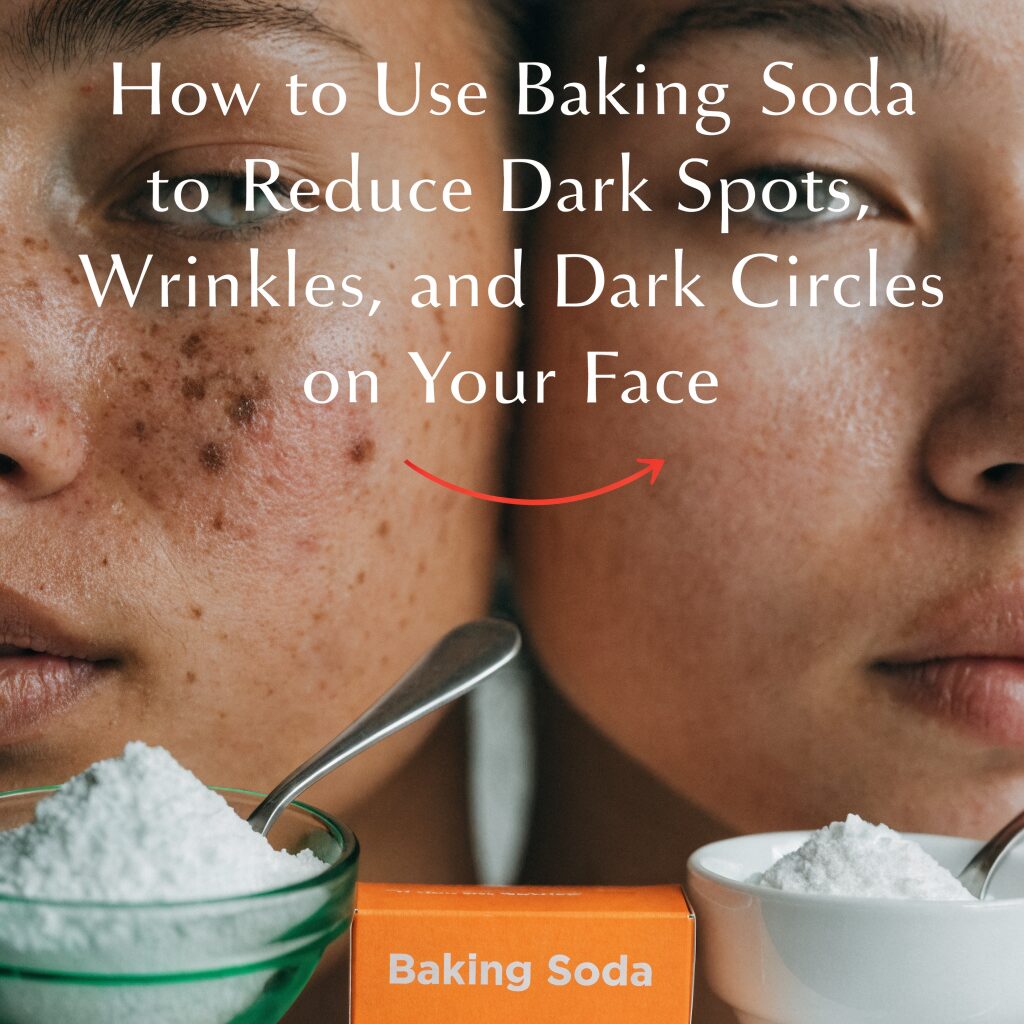
Introduction
Many people seek effective and natural methods to improve their skin’s appearance, particularly to reduce dark spots, wrinkles, and dark circles. Baking soda, a common household ingredient, is often highlighted for its potential benefits in skincare routines. This article explains how baking soda can be used safely and effectively to support clearer, smoother skin.
Understanding the Topic and Its Importance
Dark spots, wrinkles, and dark circles can affect anyone and may result from sun exposure, aging, stress, or skin inflammation. While many commercial products promise quick fixes, natural remedies like baking soda are popular due to their accessibility and affordability. Knowing how to use baking soda properly matters to avoid skin irritation while maximizing its potential benefits.
Main Health and Wellness Benefits of Baking Soda for Skin
- Exfoliation: Baking soda is mildly abrasive, which helps remove dead skin cells and promotes skin renewal.
- pH balance: It can help balance the skin’s pH, contributing to a healthier skin barrier.
- Brightening: Regular exfoliation combined with pH balancing may help reduce the appearance of dark spots and uneven skin tone.
- Soothing effects: Baking soda can help calm minor skin irritations when used properly.
How to Use Baking Soda for Skin Improvement
Follow these practical steps for a simple baking soda skincare treatment:
- Prepare a baking soda paste: Mix 1 teaspoon of baking soda with 1 to 2 teaspoons of water to form a smooth paste.
- Cleanse your face: Begin by washing your face with a gentle cleanser and pat dry.
- Apply the paste: Gently apply the baking soda paste to areas with dark spots, wrinkles, or dark circles using your fingertips. Avoid the delicate eye area for dark circles—focus on surrounding skin only.
- Massage lightly: Use circular motions to exfoliate the skin for about 1 minute.
- Leave on briefly: Let the paste sit for 5 to 10 minutes to allow gentle exfoliation.
- Rinse thoroughly: Use lukewarm water to wash off the paste completely.
- Moisturize: Apply a hydrating moisturizer to soothe and protect the skin after treatment.
Use this treatment 2 to 3 times a week, depending on your skin sensitivity.
Important Considerations and Limitations
- Patch test first: Baking soda can cause irritation for some skin types. Test on a small skin area before full application.
- Avoid overuse: Excessive use can disrupt the skin’s natural barrier and cause dryness or redness.
- Not a medical cure: Baking soda is a home remedy and should not replace professional treatments for serious skin conditions.
- Sun protection: After exfoliating, skin can be more sensitive to sunlight. Use sunscreen daily to protect your skin.
- Consult a dermatologist: If you have eczema, psoriasis, or very sensitive skin, check with a healthcare professional before use.
Useful Tips for Best Results
- Use lukewarm water when rinsing to avoid irritation.
- Follow up with a gentle moisturizer suitable for your skin type.
- Maintain a regular skincare routine including hydration and sun protection.
- Be patient; natural remedies take time to show results.
- If irritation occurs, discontinue use immediately.
Frequently Asked Questions
Can baking soda remove dark circles completely?
Baking soda may help brighten the skin around the eyes but is unlikely to completely remove dark circles, especially those caused by genetics or deeper health issues.
Is baking soda safe for all skin types?
It is generally safe for many skin types but can irritate sensitive or very dry skin. Always perform a patch test first.
How often can I use baking soda on my face?
Use baking soda treatments no more than 2 to 3 times per week to avoid skin irritation.
Can I mix baking soda with other ingredients?
Yes, some people mix baking soda with honey or lemon juice, but these can increase skin sensitivity. Use caution and consult a professional if unsure.
Conclusion
Baking soda is a versatile and accessible ingredient that may support skin health by gently exfoliating and brightening the skin. When used carefully and in moderation, it can help reduce the appearance of dark spots, wrinkles, and dark circles. Remember to prioritize skin safety by patch testing, moisturizing, and protecting your skin from the sun. For persistent skin concerns, always seek advice from a dermatologist or healthcare provider.