
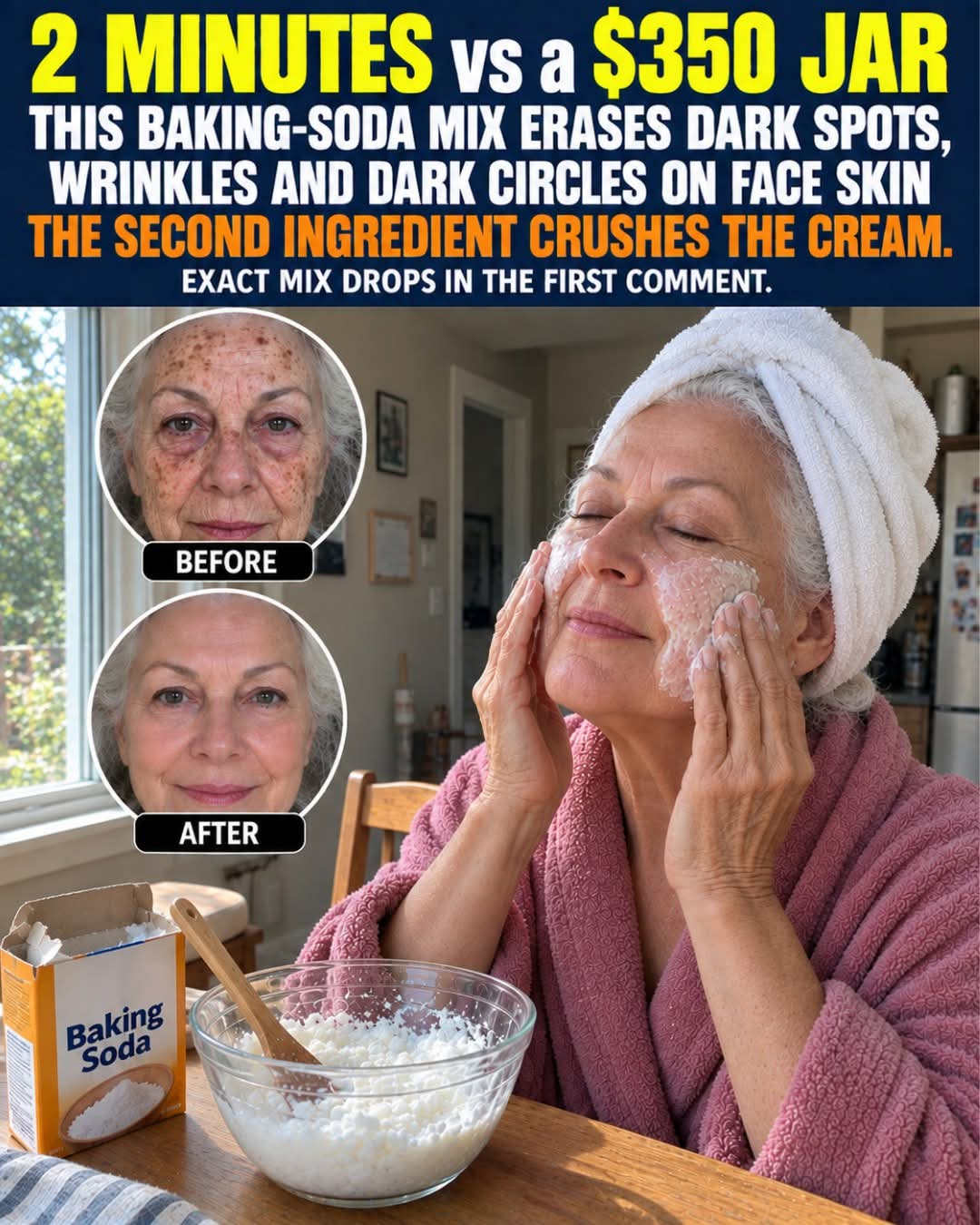
Facial dark spots can seem louder than the pigment itself, wrinkles can look deeper than the crease really is, and morning circles can make you look tired before the day even starts. That can feel frustrating, especially when you have already tried “brightening” products that promised a glow and delivered almost nothing. The problem is not always the mark you see; often, it is the surface of the skin making everything look sharper, rougher, and more noticeable. The good news is that a gentle surface reset can change how light reflects off the face, and there is one detail most people miss that can make the whole routine work better, which I’ll share before the end.
Why Facial Dark Spots Look Louder Than They Are
Dark spots often look bigger because the top layer of skin is rough, dry, or covered with dead cells and leftover oil. When that happens, light bounces unevenly across the face, creating tiny shadows around the spot. Your eye reads those shadows as extra darkness.
Research on skin appearance suggests that dullness is not only about color. Microtexture, which means the tiny hills and valleys on the skin’s surface, changes how light moves across the face. A smoother, better-hydrated surface reflects light more evenly, while a rough surface makes brown patches stand out.

That is why a brightening serum can be working underneath while the spot still looks “stuck” on top. The surface can be louder than the progress.
Why Wrinkles Look Deeper on Some Mornings
Wrinkles are not only a story of age. They can look more pronounced when the outer layer of skin is dry or flaky. A flake sitting inside a line creates a shadow, and that shadow makes the crease appear deeper in bathroom lighting.
Hot showers, strong cleansers, and a night of poor hydration can all make this effect worse. The structure of your face may not have changed overnight, but the way light hits it absolutely can.

Here is the important distinction: softening the look of a wrinkle is not the same as changing the skin’s deeper structure. A surface reset reduces shadowing, but it does not erase lines entirely.
Why Morning Circles Hit the Face First
Under-eye circles feel unfair because they can make you look exhausted even after a full night of sleep. The skin in that area is thinner, so vessels, hollow areas, and pigment show through more easily.
Overnight fluid shifts and surface dullness can make the shadow look stronger in the morning. That is also why this area needs extra care. Harsh scrubbing or irritating DIY mixes can dry the skin and make the darkness look even more obvious.

Dermatology guidance commonly warns that the under-eye area is one of the easiest places to irritate. Bone shape, genetics, sleep, and natural skin thickness all play a role too. Surface care can improve the look, but it cannot rewrite anatomy.
The Viral Kitchen Paste People Call a Reset
The internet’s favorite “quick reset” is often a kitchen paste mixed with water or honey. People say it makes the face look clearer in minutes, and sometimes it does create a short-lived change in appearance.
But that is not the full story. Many of these mixtures are highly alkaline, while healthy facial skin usually sits at a mildly acidic pH. When that balance is disrupted, the paste can strip oil, lift loose flakes, and change how light reflects from the surface.

Think of it like wiping dust off a window. The view changes fast, but the road outside has not changed at all.
What Goes Wrong When the Paste Turns Into Sandpaper
People often use the mixture like a scrub, rubbing hard or leaving it on too long. That can weaken the skin barrier, which is the thin protective layer that helps hold water in and keep irritants out.
When the barrier is stressed, skin may feel tight, sting, or look dull again the next day. On deeper skin tones, irritation can also raise the risk of post-inflammatory dark marks, which means the very step used to “quiet” a spot can create a new one.
And that is not all: the under-eye area is usually the first place to react badly because the skin there is so thin.
What a Real Surface Reset Actually Does
A safer reset aims for the same visual result: smoother skin that reflects light more evenly. The difference is that it does this without stripping the barrier.
In practical terms, that means three goals working together: lift dull surface cells gently, put water back into the top layers, and stop UV exposure from making existing spots look darker again.
Studies on dull skin point to the same trio again and again: roughness, dehydration, and uneven tone. Ignore one of them, and the mirror stays noisy.
Kitchen Paste vs. Barrier-Friendly Reset
| Goal | Alkaline kitchen paste | Barrier-friendly reset |
|---|---|---|
| Immediate clarity | Fast flake lift, higher sting | Slower glow, lower irritation |
| Dark-spot contrast | Temporary only | Gentle exfoliation + tone support + SPF |
| Wrinkle appearance | Softens flakes, not collagen | Hydration now, retinoids over time |
| Morning circles | Too harsh for thin skin | Cooling care and daily sun protection |
| Barrier after 48 hours | Often tighter and drier | Usually calmer and smoother |
This is the part most viral clips skip: speed is not the same as progress.
Ingredients and Habits With a Better Track Record
If your goal is skin that looks calmer, brighter, and less shadowed, there are options with a much better track record than harsh DIY scrubs. They are not instant, but they are far more skin-friendly.
Commonly used options include gentle chemical exfoliants such as lactic acid or PHAs, which loosen dull surface cells without grit. Niacinamide, a form of vitamin B3, may help support a more even-looking tone and a stronger barrier. Moisturizers with ceramides, glycerin, or petrolatum can reduce dryness and improve the way light reflects off the skin.
Daily mineral sunscreen is also important. Research consistently shows that UV exposure is one of the biggest reasons dark spots keep coming back or look darker over time.
- Gentle chemical exfoliants: help lift dull surface cells without harsh rubbing
- Niacinamide: supports tone and barrier function over time
- Ceramide-rich moisturizers: help reduce dryness and support the skin barrier
- Mineral sunscreen: helps prevent spots from darkening again
Here is the surprising part: consistency usually beats intensity. A calmer barrier reflects light better than a stripped one.
5 Actionable Steps for a Safer Surface Reset
Start tonight if you want to keep it simple. Go gently, and stop at the first sign of stinging or burning.
- Wash once with lukewarm water and a mild cleanser. Skip hot water and strong foaming formulas that can strip the face.
- Use a gentle exfoliant only 2 to 3 nights per week. Choose a low-strength lactic acid or PHA product instead of a gritty paste, and keep it away from the eyelids.
- Moisturize within three minutes. Apply a simple cream while the skin is still slightly damp to help lock in water.
- Use niacinamide during the day if your skin tolerates it well. This supports tone and barrier function over weeks, not hours.
- Finish with SPF every morning. This is the step that helps keep facial dark spots from looking louder again.
Patch-test any new product on the jawline or behind the ear for 24 hours. If you notice redness, flaking, or blotchiness, simplify your routine.
How to Handle the Under-Eye Area
Treat morning circles as a separate zone. Do not drag face acids onto the eyelids or right under the eyes.
Instead, try cooling the area with a clean, chilled spoon or a fragrance-free eye gel. If puffiness is part of the shadow, a product with caffeine may help the area look a little less swollen. A tinted mineral SPF can also protect thin skin without leaving a heavy white cast.
The truth is, this small area often decides whether the whole face looks rested.
The Detail Most People Miss
Here is the open loop from the beginning: restraint is the real secret.
The quick alkaline paste works because it is abrasive and disruptive. That is also why it can backfire so easily. Most faces do better with less drama and more consistency. A calmer barrier holds moisture better, reflects light more evenly, and makes texture look softer over time.
That is not as flashy as a five-minute hack, but it is far more likely to give people the look they actually want.
Conclusion
Facial dark spots, wrinkles, and morning circles often look more intense because of how light hits the skin surface, not only because of what is underneath. Improving texture, hydration, and barrier health can change that reflection in a noticeable way.
Harsh kitchen remedies, especially alkaline pastes, may strip protection and sometimes leave new marks behind. A safer reset uses gentle exfoliation, steady moisture, and daily sunscreen.
Those steps do not create instant drama. They create a quieter, more even look that tends to last longer than a one-night fix.
FAQ
Does an alkaline kitchen paste fade facial dark spots for good?
No. It may lift surface debris and make spots look lighter for a short time, but it does not treat deeper pigment. In some people, irritation can leave a new dark mark.
Does a surface reset erase wrinkles under the eyes?
No. A smoother surface can soften the shadow of a fine line, but it does not tighten thin under-eye skin or change hollows and vessels underneath. That area is too delicate for harsh DIY scrubs.
How often should I exfoliate during a reset?
For many people, 2 to 3 times per week is enough with a gentle chemical exfoliant. Sensitive skin may need less. Moisture and sunscreen usually do more visible work than extra scrubbing.
Disclaimer: This article is for general informational purposes only and is not a substitute for professional medical advice, diagnosis, or treatment. If you have sensitive skin, a diagnosed skin condition, or persistent discoloration, speak with a licensed dermatologist or healthcare professional before starting new products or home routines.