
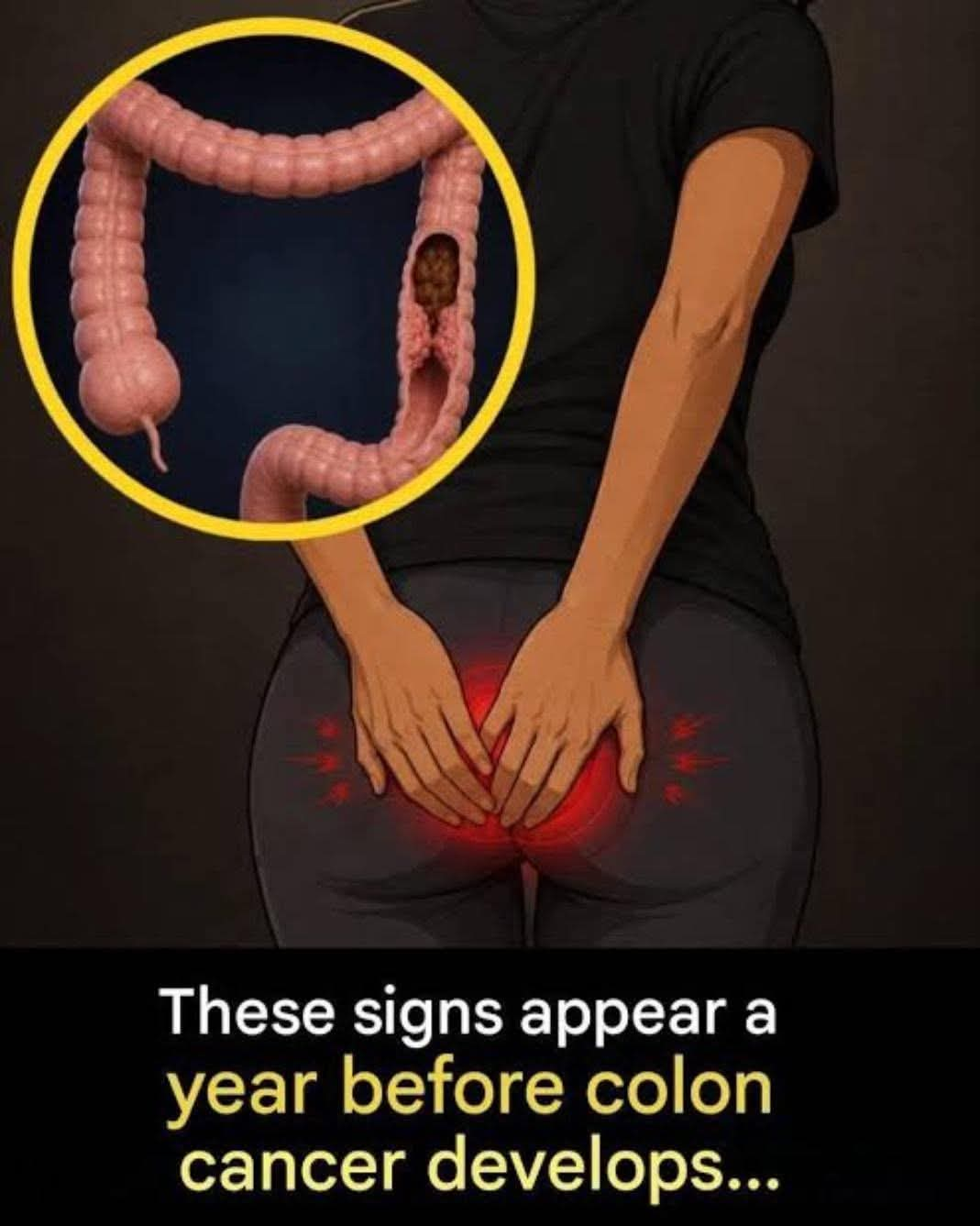
Colon cancer is a serious health issue that’s on the rise, especially among younger people. With rates doubling in those under 55 over the past few decades, it’s now the leading cause of cancer death in individuals aged 20 to 49. Early detection is crucial, as the survival rate drops significantly once the cancer spreads. Here’s what you need to know about the subtle signs of colon cancer that you should never ignore.
Large intestine health
Key Takeaways
- Colon cancer is highly preventable if caught early.
- Symptoms can be subtle and easily overlooked.
- Regular screenings are essential, especially for those at risk.
Understanding Colon Cancer
Colon cancer, also known as colorectal cancer, is a type of cancer that begins in the large intestine (colon) or the rectum (the final part of the large intestine). It typically starts as small, non-cancerous (benign) clumps of cells called polyps that form on the inner lining of the colon or rectum. Over time, some of these polyps can develop into cancerous tumors. The progression from a benign polyp to an invasive cancer can take many years, which provides a critical window for early detection and prevention through regular screenings.
The development of colon cancer is a multi-step process involving genetic mutations that accumulate in the cells lining the colon. These mutations can lead to uncontrolled cell growth and the formation of polyps. As more mutations occur, the cells within the polyp can become increasingly abnormal, eventually leading to malignancy.
- Colonoscopy: This is considered the gold standard for colon cancer screening. During a colonoscopy, a doctor uses a flexible tube with a camera to examine the entire colon and rectum. It allows for the detection and removal of polyps before they become cancerous, and for biopsies of suspicious areas. It’s typically recommended every 10 years for average-risk individuals if no polyps are found.
- Stool Tests: These non-invasive tests look for signs of blood or abnormal DNA in your stool, which can indicate the presence of polyps or cancer. Types include the Fecal Immunochemical Test (FIT), which detects hidden blood, and stool DNA tests (like Cologuard), which look for both blood and cancer-related DNA markers. These tests are typically done annually or every few years, depending on the specific test, and a positive result usually requires a follow-up colonoscopy.
Special Considerations
If you have a family history of colon cancer or conditions like inflammatory bowel disease, you may need to start screening earlier—sometimes as young as 25. Always discuss your personal risk factors with your doctor to determine the best screening plan for you.
Discover GERD Treatments
Conclusion
Colon cancer is a serious threat, especially for younger individuals. Recognizing the signs and getting screened regularly can make a significant difference in outcomes. If you notice any of the symptoms mentioned, don’t hesitate to reach out to a healthcare professional. Early detection is key to increasing your chances of survival. Stay informed and take charge of your health!
DailyHealthPost Editorial
We bring you actionable home made remedies, health tips and healthy recipes on a daily basis. Whether you want to improve your health, slow down the aging process or simply want to feel energetic again, we have you covered.
For Complete Cooking STEPS Please Head On Over To Next Page Or Open button (>) and don’t forget to SHARE with your Facebook friends.