
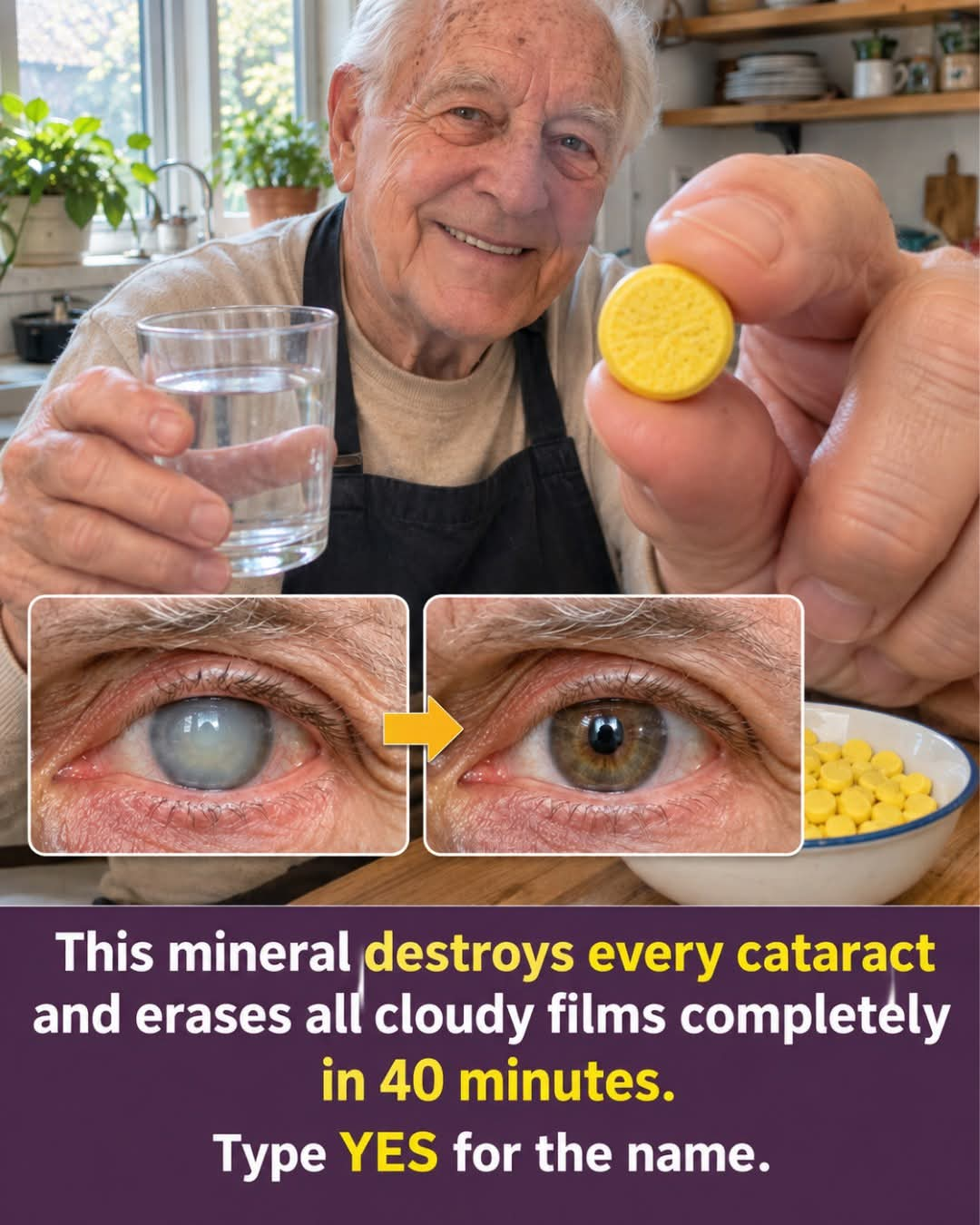
Cloudy vision can make everyday life feel frustrating fast. Reading labels gets harder, night driving feels stressful, and faces lose their sharp detail. That kind of blur is not just annoying; it can also make people feel like they are losing control over their day. The good news is that eye health is influenced by more than one factor, and one essential mineral keeps showing up in the conversation. The surprising part is how it supports the eye’s normal function, and the key detail most people miss is coming up next.

Why cloudy vision happens in the first place
When the lens of the eye becomes cloudy, light cannot pass through as clearly. That is one reason cataracts can make vision look faded, hazy, or washed out. Age is the most common factor, but long-term sun exposure, smoking, diabetes, and poor nutrition can also play a role. Research shows that oxidative stress and aging changes in the lens are closely linked to this process.
There is no quick home fix that removes cataracts in minutes. But there are nutrients that help support normal eye structure and antioxidant defenses. That matters because the eye is constantly exposed to light and environmental stress. And this is where the mineral in today’s article becomes interesting.
The mineral behind the attention
The mineral is zinc. It is essential for normal vision, immune function, and many enzyme processes in the body. The retina contains a high concentration of zinc, which is one reason scientists continue studying its role in eye health.
Important note: zinc supports normal eye function, but it does not dissolve cataracts or replace professional eye care.

What zinc actually does for the eyes
Zinc helps the body move vitamin A from the liver to the retina, where it supports the production of visual pigments. It also helps enzymes that protect cells from oxidative damage. In simple terms, it helps the eye do its normal job under daily stress.
Some studies suggest that adequate zinc intake is associated with healthy retinal function, especially in older adults. That does not mean it reverses lens clouding. But it does mean low zinc intake is not ideal when someone is trying to support overall eye health.
Why this matters for people with blurry or aging eyes
As we age, the lens and surrounding tissues become more vulnerable to damage. The eye needs enough nutrients to maintain normal repair and protection systems. Zinc is one of those nutrients.
But here is the part many people overlook: eye symptoms can come from many causes, not just cataracts. Dry eyes, prescription changes, blood sugar issues, and inflammation can also make vision feel off. That is why a professional eye exam is so important.

The simple supplement approach people talk about
The most common supplement version is straightforward: a zinc tablet taken with water. That is the entire basic method. No complicated mix. No dramatic promise. Just a mineral taken in a normal serving size according to the product label.
Still, the way it is taken matters. Zinc can upset the stomach if taken on an empty stomach, so many people do better taking it with food. And because too much zinc is not safe, the label directions should always be followed.
Why this method is used with meals
Taking zinc with or after a meal can help reduce nausea. It also makes the routine easier to remember. Consistency matters more than intensity when the goal is to support nutrition over time.
Here is the practical reason this approach is popular: it is simple, affordable, and easy to fit into a daily routine. But simplicity does not mean it works like a fast fix. That is where expectations need to stay realistic.

How to use zinc safely and correctly
Use the serving size listed on the product label. Take it with a full glass of water. If your stomach is sensitive, take it with food rather than on an empty stomach.
Do not stack multiple supplements that contain zinc without checking the total amount. Many multivitamins already include it. More is not better here.
Follow these steps:
- Check the zinc amount on the label.
- Take only the recommended serving.
- Swallow it with water.
- Take it with a meal if it causes nausea.
- Keep track of all other supplements that may also contain zinc.
What benefits are realistic in context
The realistic benefit is support, not a cure. Zinc may help maintain normal eye function and overall nutritional status. It may also support the body’s antioxidant systems, which are important for healthy aging.
What it will not do is erase cataracts, clear the lens in 40 minutes, or replace surgery when surgery is needed. That claim is not supported by medical evidence.
Think of zinc as part of a support plan, not a miracle solution.
Common mistakes people make with zinc
One common mistake is assuming a supplement can reverse cloudy vision overnight. Another is taking too much because “more must be better.” A third mistake is ignoring an eye exam while trying home remedies.
Here are the biggest errors to avoid:
- Using zinc as a substitute for an eye doctor visit.
- Taking extra tablets beyond the label directions.
- Mixing zinc with other supplements without checking totals.
- Expecting immediate changes in lens cloudiness.
- Ignoring worsening vision, glare, or trouble driving at night.
Who this approach may fit best
This approach may fit adults who want to support general eye health and already have a balanced nutrition plan. It may also be useful for people whose healthcare professional has suggested paying attention to mineral intake.
It is not a replacement for cataract treatment. If vision is becoming cloudy, if lights seem glaring, or if daily tasks are getting harder, an eye exam is the right next step.
When to seek professional help
If vision changes are getting worse, if one eye seems different from the other, or if you are having trouble reading, driving, or recognizing faces, schedule an eye evaluation. Cataracts and other eye conditions need proper assessment.
Supplements can be part of a healthy routine, but they should never delay medical care when symptoms are progressing.
FAQ
Does zinc remove cataracts?
No. Zinc supports normal eye function, but it does not remove cataracts or clear a cloudy lens.
Can zinc improve blurry vision quickly?
Not in the way social media claims. Zinc is a nutritional support, not a fast-acting treatment for cataracts.
Is zinc safe to take every day?
It can be safe when taken in the amount listed on the product label, but too much zinc can cause problems. Always check with a healthcare professional if you take other supplements or medications.
Conclusion
Zinc is an important mineral for normal eye function, and it deserves attention in any conversation about eye health. But the truth is simple: it supports the body, it does not magically erase cataracts. If cloudy vision is affecting your life, use nutrition as support and get a proper eye exam for clear guidance.
The smartest approach is not chasing a miracle; it is combining good nutrition, safe supplement use, and professional eye care.
Disclaimer: This article is for informational purposes only and is not a substitute for medical advice, diagnosis, or treatment from a qualified eye-care professional.