High blood sugar can be a serious concern, especially for adults over 60 who are managing diabetes, taking medication, or trying to protect their heart, kidneys, and eyesight.
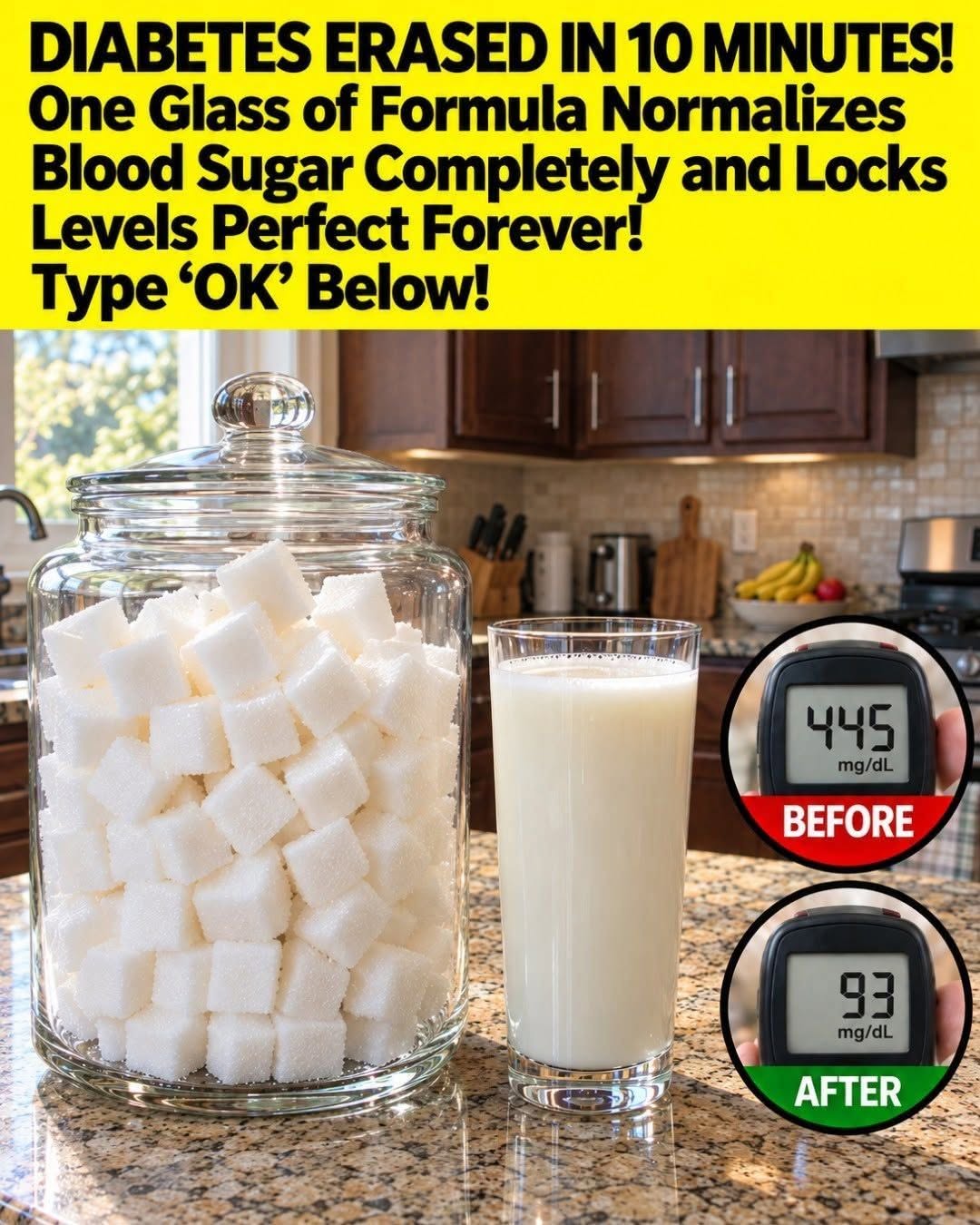
You may have seen social media posts claiming that one glass of a homemade drink can reduce blood glucose from 445 mg/dL to 93 mg/dL in just 10 minutes, permanently normalize blood sugar, and even repair the pancreas.
These claims can sound encouraging, but it is essential to understand what medical evidence actually shows.
No drink has been proven to cure diabetes, repair the pancreas, or permanently normalize blood sugar in 10 minutes.Diabetes can often be managed successfully, and some people with type 2 diabetes can achieve remission, but these outcomes require appropriate treatment and monitoring.
This article explains what high blood sugar means, which lifestyle changes can help, and how older adults can manage diabetes more safely.
1. What Does a Blood Sugar Reading of 445 mg/dL Mean?
A blood glucose reading of 445 mg/dL is extremely high and can indicate a medical emergency.
For many adults with diabetes, usual treatment targets are much lower, although individual goals vary according to health status, age, medication, and other factors.
A reading this high may occur when the body does not have enough effective insulin, during an infection, when diabetes medication has been missed, or because of another medical problem.
Severe hyperglycemia can lead to dehydration and dangerous complications, including diabetic ketoacidosis (DKA) or hyperosmolar hyperglycemic state (HHS).
What should you do if your reading is 445 mg/dL?
- Seek urgent medical assessment, especially if the reading is confirmed.
- If you have symptoms such as vomiting, abdominal pain, deep or rapid breathing, confusion, severe weakness, or unusual drowsiness, seek emergency care immediately.
- If possible, wash and dry your hands and repeat the measurement with a fresh test strip, but do not delay care while doing so.
- Follow your prescribed diabetes emergency plan, including ketone testing if your clinician has instructed you to do this.
- Do not try to correct the reading with a homemade drink or take extra medication unless your prescribed treatment plan specifically directs you to do so.
A reading of 93 mg/dL may be within the usual range for many people, but a photograph showing a before-and-after meter does not prove that a drink caused the change.
2. Can a Homemade Drink Cure Diabetes in 10 Minutes?
The image shows a glass of a white drink alongside sugar cubes and blood glucose readings. However, it does not identify a medically validated formula or provide evidence that the drink produced the claimed results.
Blood glucose naturally changes in response to meals, medication, physical activity, illness, and the body’s insulin response.
Some drinks contain carbohydrates that can actually raise blood sugar. Others may have little immediate effect. Neither fact means that a drink can permanently cure diabetes.
There is no reliable clinical evidence that a single glass of milk, herbal tea, juice, or another homemade preparation can reduce blood glucose from 445 to 93 mg/dL in 10 minutes and keep it normal forever.
People with diabetes should be particularly cautious about claims that promise a permanent cure or encourage them to replace prescribed medication with a natural remedy.
3. Understanding How the Pancreas Controls Blood Sugar
The pancreas plays an important role in regulating glucose.
Specialized cells in the pancreas produce insulin, a hormone that helps glucose move from the bloodstream into cells for use or storage.
When this system does not work properly, blood glucose can become elevated.
Type 1 diabetes
In type 1 diabetes, the immune system destroys the pancreatic cells that produce insulin. People with this condition require insulin treatment.
No food or drink can replace this essential treatment.
Type 2 diabetes
In type 2 diabetes, the body becomes less responsive to insulin, and the pancreas may gradually become unable to produce enough insulin to meet the body’s needs.
Treatment may include dietary changes, physical activity, medication, and sometimes insulin.
Some people with type 2 diabetes achieve remission after substantial and sustained improvements in weight and metabolic health. Remission does not mean the condition is permanently cured, and ongoing monitoring remains important.
Can food repair the pancreas?
A nutritious diet can support metabolic health and help manage blood glucose. However, there is no proven drink that regenerates damaged pancreatic cells or restores normal insulin production within minutes.
The most effective strategy is to manage diabetes according to its type and the individual’s medical needs.
4. Five Dietary Habits That Can Help Manage Blood Sugar
Healthy eating is an important part of diabetes management, particularly for older adults. The goal is to maintain a sustainable eating pattern rather than rely on a miracle ingredient.
Step 1: Choose high-fiber foods
Vegetables, beans, lentils, and appropriate portions of whole grains provide fiber.
Fiber can slow the absorption of carbohydrates and help reduce sharp rises in blood glucose after meals.
Increase fiber gradually and drink appropriate amounts of fluid according to your medical advice.
Step 2: Include protein with meals
Eggs, fish, poultry, tofu, and other suitable protein sources can help make meals more satisfying.
Protein generally has less immediate effect on blood glucose than carbohydrate-rich foods, although the overall meal and individual health conditions still matter.
People with kidney disease may need personalized protein recommendations.
Step 3: Choose carbohydrates carefully
Bread, rice, potatoes, fruit, milk, and sweets can all contribute carbohydrates, but their effects depend on the type and portion.
You do not necessarily need to eliminate all carbohydrates.
Instead, focus on suitable portions, fiber-rich choices, and spreading carbohydrate intake throughout the day according to your treatment plan.
Step 4: Reduce sugary drinks
Sweetened tea, soft drinks, energy drinks, and large servings of juice can raise blood glucose rapidly.
Water and unsweetened drinks are generally better everyday choices.
However, people taking insulin or certain diabetes medications may need fast-acting carbohydrates to treat low blood sugar. Follow your prescribed hypoglycemia plan when necessary.
Step 5: Eat regular, balanced meals
A consistent meal pattern can help people coordinate food intake with their medication and activity.
Skipping meals can be dangerous for people taking insulin or medicines that may cause hypoglycemia.
Ask your diabetes care team how to structure meals around your prescribed medication.
5. Drinks That Can Fit Into a Diabetes-Friendly Routine
No drink cures diabetes, but some beverages can be incorporated into a healthy daily routine.
Water: A practical choice for hydration without added sugar.
Unsweetened tea: Provides a low-sugar alternative to sweetened beverages.
Unsweetened coffee: May fit into many diabetes-friendly eating patterns, although caffeine can affect sleep, blood pressure, or glucose responses in some individuals.
Plain milk: Provides protein and nutrients, but it also contains lactose, a carbohydrate that can affect blood glucose.
Vegetable-based drinks: Their nutritional value depends on the ingredients. Check for added sugars and consider potassium content if you have kidney disease.
Be cautious with concentrated herbal drinks, powders, and supplements marketed as blood sugar cures. Some can interact with medication or cause unwanted effects.
6. Daily Habits That Support Better Glucose Control After 60
Food is only one part of diabetes management.
Stay physically active
Walking and other suitable forms of activity can improve insulin sensitivity and support cardiovascular health.
Begin at a level appropriate for your mobility and medical condition.
If your blood glucose is extremely high, you feel unwell, or ketones are present, do not exercise to try to bring glucose down without medical guidance. Exercise can be unsafe in certain situations involving severe hyperglycemia.
Take medication as prescribed
Diabetes medicines work in different ways. Some increase insulin availability, some improve the body’s response to insulin, and others help remove glucose through urine.
Do not stop medication because a drink or food is claimed to have cured diabetes.
Monitor your blood glucose
Follow your clinician’s recommendations for checking glucose, whether with a blood glucose meter or a continuous glucose monitor.
Record unusual readings and note possible contributing factors, such as meals, illness, medication changes, or missed doses.
Protect sleep and manage stress
Poor sleep and stress can affect blood glucose and make diabetes management more difficult.
Aim for a regular sleep schedule and discuss persistent sleep problems with your healthcare professional.
Attend regular medical appointments
Regular monitoring helps assess long-term glucose control and identify complications affecting the eyes, kidneys, nerves, and cardiovascular system.
Your care team can also adjust treatment as your health needs change.
7. What Blood Sugar Numbers Should You Know?
Targets should be individualized, especially for older adults who may have other medical conditions or be at risk of hypoglycemia.
For many nonpregnant adults with diabetes, commonly used targets are:
| Measurement | Common reference |
|---|---|
| Before meals | 80–130 mg/dL for many adults with diabetes |
| About 1–2 hours after a meal begins | Below 180 mg/dL for many adults with diabetes |
| A1C | Often below 7%, depending on individual circumstances |
These are general treatment targets, not universal requirements. A clinician may recommend different goals based on frailty, other illnesses, life expectancy, medication risks, and personal circumstances.
An A1C test reflects average blood glucose over approximately the previous two to three months. It is useful for assessing longer-term control, unlike a single meter reading.
A reading of 445 mg/dL is far above usual targets and should not be managed by waiting for a homemade remedy to work.
8. Warning Signs of Dangerous High Blood Sugar
Very high blood glucose can become life-threatening, particularly when accompanied by dehydration or a serious illness.
Seek emergency medical care if high blood sugar occurs with:
- Vomiting or abdominal pain.
- Deep or rapid breathing.
- Confusion or unusual drowsiness.
- Severe weakness.
- Inability to keep fluids down.
- Significant dehydration.
- Moderate or high ketones, according to your diabetes action plan.
Diabetic ketoacidosis can occur in type 1 diabetes and sometimes in type 2 diabetes. Hyperosmolar hyperglycemic state is another serious complication, particularly in older adults with type 2 diabetes.
Do not wait for symptoms to worsen if your glucose is extremely high.
9. A Simple Daily Routine for Diabetes Management
A practical routine can make diabetes management easier to maintain.
Morning: Check glucose according to your treatment plan, take prescribed medication, and eat an appropriate breakfast.
During the day: Drink suitable amounts of water, choose balanced meals, and stay active when safe.
After meals: Monitor glucose if advised and note which meals produce unexpectedly high readings.
Evening: Take prescribed medication and follow your recommended meal and monitoring schedule.
Regularly: Review your readings, A1C results, medications, and any symptoms with your healthcare team.
If your blood glucose repeatedly rises above your target, your treatment plan may need adjustment. Do not attempt to solve persistent high readings by adding unverified supplements.
Frequently Asked Questions
Can diabetes disappear in 10 minutes?
No. There is no proven drink that cures diabetes in 10 minutes. Blood glucose can change over short periods, but that does not mean the underlying condition has been cured.
Can type 2 diabetes go into remission?
Yes, some people with type 2 diabetes achieve remission, often following sustained weight loss or other significant improvements in metabolic health. Remission requires medical follow-up and does not guarantee that diabetes will never return.
Does milk lower blood sugar?
Milk is not a treatment for high blood glucose. It contains lactose, which can raise blood sugar, although the effect depends on the amount consumed and individual circumstances.
Can a person over 60 stop taking diabetes medication after changing their diet?
Only a healthcare professional should guide medication changes. Some people need less medication as their glucose control improves, but stopping treatment without advice can cause dangerous hyperglycemia.
Is a reading of 93 mg/dL normal?
A reading of 93 mg/dL is within the usual range for many people, depending on the circumstances. However, one normal reading does not establish that diabetes has resolved or that treatment is no longer necessary.
Final Thoughts
Diabetes can be managed effectively, and many people over 60 maintain a good quality of life with appropriate treatment, nutritious meals, regular activity, and consistent monitoring.
However, claims that one glass of a homemade formula can erase diabetes in 10 minutes, permanently normalize glucose, or repair the pancreas are not supported by reliable medical evidence.
A reading of 445 mg/dL is dangerously high and warrants urgent medical assessment, particularly if confirmed or accompanied by symptoms.
Do not replace prescribed diabetes medication with a homemade drink. If your blood sugar is extremely high, seek medical care rather than waiting for a natural remedy to work.
The safest path toward better glucose control is an individualized treatment plan, careful monitoring, and lifestyle changes that are supported by evidence.