
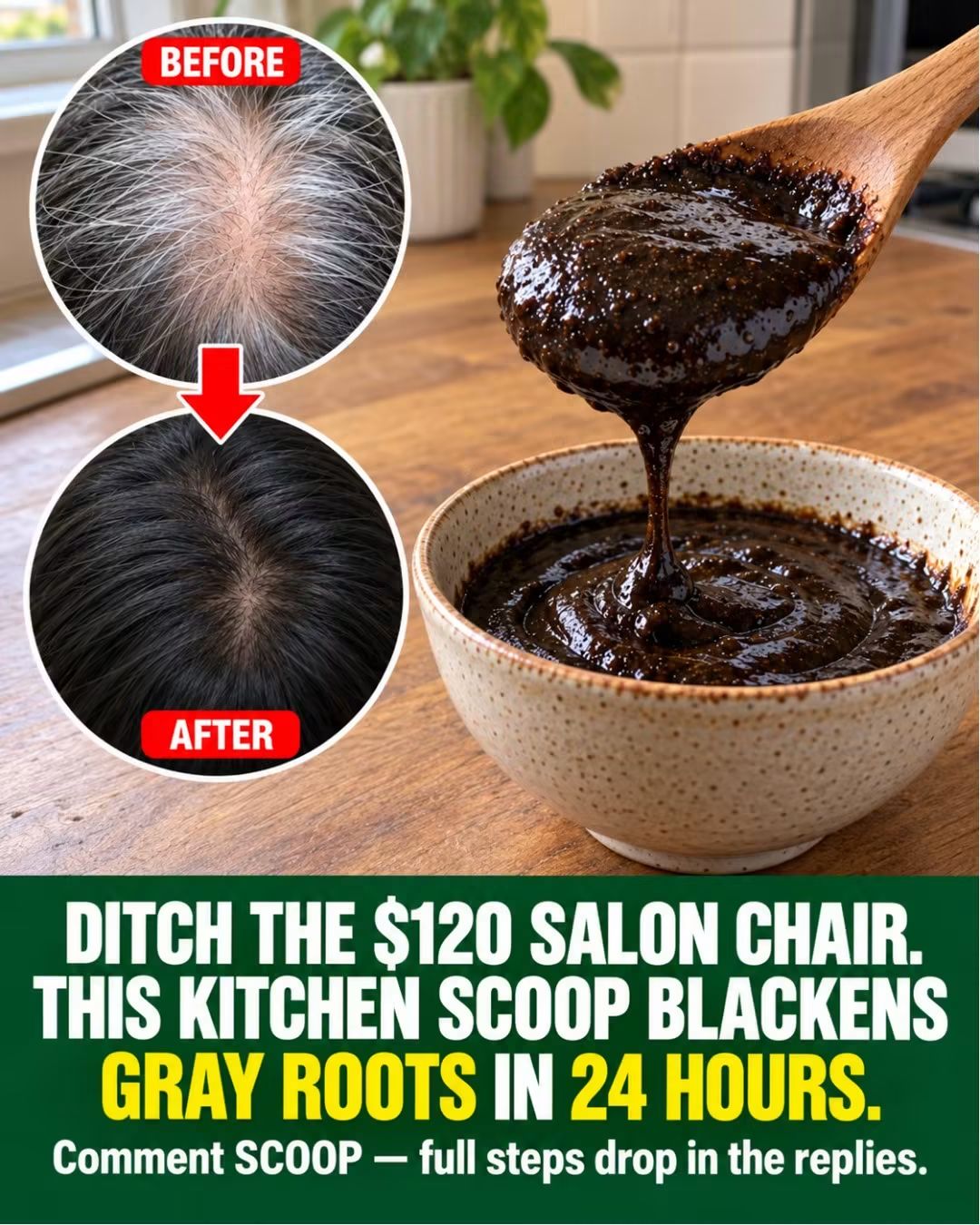
The first gray strands are often blamed on age, stress, or “bad genes,” and sometimes that is true. But when the roots keep turning pale faster than expected, the problem may be happening deeper inside the follicle. That can feel frustrating, because dye covers the length for a while, yet the new growth still comes in dull, silver, or white. The hidden issue is that the pigment-making system may be running short on key nutrients and antioxidant protection. The good news is that some of those gaps are testable, and in certain cases, fixable. Keep reading, because one overlooked pantry ingredient plays a bigger supporting role than most people realize.
Why Gray Hair Starts at the Root, Not the Strand
Hair color is made inside the follicle, not painted onto the hair shaft. Special cells called melanocytes produce melanin, the pigment that gives hair its natural shade, and that pigment is built into each new strand as it grows. Once the strand leaves the scalp, its color is already set.
That is why root regrowth tells the real story. If the follicle slows down pigment production, the new hair comes in lighter no matter how well the visible length was colored before.

In other words, gray hair is usually a root problem first, and a surface problem second.
What Research Says About the Follicle’s Pigment Shutdown
Scientific studies have shown that gray and white hair often contain higher levels of hydrogen peroxide, a compound that can interfere with pigment production. At the same time, the enzyme catalase, which helps break down peroxide, is often reduced in aging follicles. Research published in journals such as FASEB Journal has helped explain this oxidative stress pathway.
Here is the important part: when peroxide builds up, it can disrupt tyrosinase, an enzyme needed to make melanin. Tyrosinase also depends on copper to work properly. So when the follicle is under oxidative stress and key nutrients are low, pigment production can slow down.
But that is not the whole picture. Melanocyte stem cells also matter. These are the reserve cells that help replace pigment-producing cells over time. Studies suggest that chronic stress, aging, illness, and nutrient shortages can gradually reduce this reserve.
The Shortage the Mirror Cannot Reveal
Not every gray hair is caused by a deficiency. Genetics still explain most age-related graying. But premature graying, especially when it happens earlier than expected, is sometimes linked to nutrient gaps or medical conditions.
Some of the most commonly discussed factors include:
- Vitamin B12: Supports DNA production in fast-renewing cells, including those involved in hair pigmentation. Low B12 has been associated with early graying in case reports and reviews.
- Iron: Low ferritin, which reflects iron stores, has been seen in some people with premature graying.
- Copper: Needed for tyrosinase, the enzyme that helps build melanin.
- Folate: Supports healthy cell turnover and is often reviewed alongside B12.
- Thyroid imbalance: Thyroid disease can affect hair growth and pigment.
- Smoking: Research has linked smoking with earlier graying, likely through oxidative stress.
These factors do not explain every case, but they are worth checking when graying appears early or changes quickly.
Why the Beauty Aisle Cannot Fix the Follicle
Hair dye, root sprays, and color glosses only coat the hair shaft. They can improve appearance, but they do not restore pigment production inside the follicle. That is why the roots often show the truth again within a few weeks.
This is also why quick-fix internet claims are often disappointing. A one-time “detox,” a trendy oil, or a single spoonful of a miracle food cannot rebuild nutrient stores or reverse stem-cell loss overnight.
Still, that does not mean nutrition is useless. It means the goal should be support, not fantasy.
The Pantry Support Follicles Actually Use
Here is where the kitchen approach becomes practical. The follicle needs raw materials to keep pigment production running, and some of those materials come from everyday food. This is the part many people miss: a small, consistent routine matters more than a dramatic one-time fix.
| Follicle Need | Food Source | Simple Portion |
|---|---|---|
| Copper | Sesame seeds, cashews, sunflower seeds | 1 tablespoon seeds or a small handful of cashews |
| Iron | Lentils, pumpkin seeds, blackstrap molasses | 1 cup cooked lentils or 1 tablespoon molasses |
| Folate | Spinach, asparagus, black-eyed peas | 1 packed cup of greens |
| Antioxidants | Berries, rosemary, green tea | 1 cup berries or rosemary used in cooking |
| Vitamin B12 | Eggs, fish, dairy, fortified foods, or a prescribed supplement | Based on bloodwork and clinician guidance |
Blackstrap molasses gets a lot of attention because it contains iron and a small amount of copper. It is not a medicine, and it will not reverse gray hair on its own. But as part of a balanced diet, it can support the same nutrient pathway the follicle uses.
That said, molasses is not a good choice for everyone. People with diabetes, blood sugar concerns, or iron overload conditions should be cautious and speak with a clinician first.
Why Antioxidants Matter More Than Most People Think
Oxidative stress is one of the main themes in gray hair research. That means the follicle is dealing with too much chemical wear and tear, which can damage pigment cells over time. Foods rich in antioxidants may help reduce some of that burden.
Examples include berries, leafy greens, herbs like rosemary, and green tea. These are not magic bullets, but they fit the biology better than most trendy scalp products.
Said simply: if the follicle is fighting extra oxidative stress, your plate can either help calm that stress or add to it.
What Actually Moves the Needle
Before changing your diet or starting supplements, it helps to separate three very different situations.
1. Normal age-related graying
If gray hair appears around the same time your parents or grandparents grayed, genetics is likely driving most of it.
2. Early or rapid graying
If the change happens suddenly in your teens, twenties, or early thirties, it is worth asking a clinician about bloodwork.
3. Deficiency-related graying
In some cases, correcting a real deficiency has been linked to partial repigmentation. Research and case reports have described this most often with vitamin B12 and sometimes with iron-related issues.
That last point is important. The evidence is strongest when a true deficiency exists. Without one, the chance of reversing gray hair with food alone is much lower.
Step-by-Step Actions You Can Start This Week
If you want a realistic plan, start here.
Step 1: Ask for the right labs.
A clinician may check vitamin B12, ferritin, a complete blood count, and thyroid-stimulating hormone. These tests can reveal hidden issues that affect hair pigment and overall health.
Step 2: Build a daily mineral habit.
Add sesame seeds, pumpkin seeds, lentils, or a small amount of blackstrap molasses to meals. The goal is consistency, not a dramatic cleanse.
Step 3: Lower avoidable oxidative stress.
If you smoke, quitting is one of the best things you can do. Also try to keep alcohol and added sugar in check, since both can increase overall stress on the body.
Step 4: Support the scalp environment.
Use gentle hair care, avoid tight styles that irritate the scalp, and protect your part line from too much sun exposure.
Step 5: Be patient with timing.
Hair grows slowly, about one centimeter per month. If a nutrition change helps, you will only see it in new growth, not overnight.
What Not to Expect
It is important to stay realistic. If graying is mainly due to aging and stem-cell depletion, no food can fully restore the original color. That is the hard truth, but it is better than chasing false promises.
Still, nutrition can matter. If a deficiency is part of the picture, correcting it may help slow further pigment loss and, in some cases, improve the color of new growth.
In other words, the goal is not to promise a miracle. The goal is to remove the hidden roadblocks that may be speeding up the change.
The Bottom Line
Gray hair usually starts in the follicle, where pigment production depends on healthy cells, enough nutrients, and low oxidative stress. Genetics drive most graying, but vitamin B12, iron, copper, folate, thyroid health, and smoking can all influence how early it appears. A steady food-based routine with seeds, legumes, leafy greens, berries, and appropriate B12 intake may support the follicle, especially if a deficiency is present. The key is to treat gray hair as a signal, not just a cosmetic issue.
FAQ
Can gray hair turn dark again from food alone?
Sometimes, but only in limited cases. The strongest reports of repigmentation involve correcting a real deficiency, especially vitamin B12 or low iron stores. For ordinary age-related gray hair, food alone has no strong evidence of reversing color.
How long does it take to see a difference in new roots?
Hair grows slowly, so any change would appear in new growth over several months. A realistic window is about three to four months, and only if there was a correctable shortage in the first place.
Is blackstrap molasses good for gray hair?
Blackstrap molasses contains some iron and copper, which are relevant to pigment production. However, it has not been proven to reverse gray hair, and it is not suitable for everyone, especially people who need to limit sugar or iron.
Disclaimer: This article is for general informational purposes only and is not a substitute for medical advice, diagnosis, or treatment. If your hair is graying suddenly, very early, or along with other symptoms, please consult a qualified healthcare professional.