
Blood pressure numbers can be confusing, especially when people ask what is normal for their age. This guide explains the current adult categories, how children are interpreted differently, and why older age does not automatically make a higher reading normal. It also covers how to measure accurately and when to get medical help.
Blood pressure numbers can be confusing, especially when people ask what is normal for their age. This guide explains the current adult categories, how children are interpreted differently, and why older age does not automatically make a higher reading normal. It also covers how to measure accurately and when to get medical help.

1
Read systolic first and diastolic second
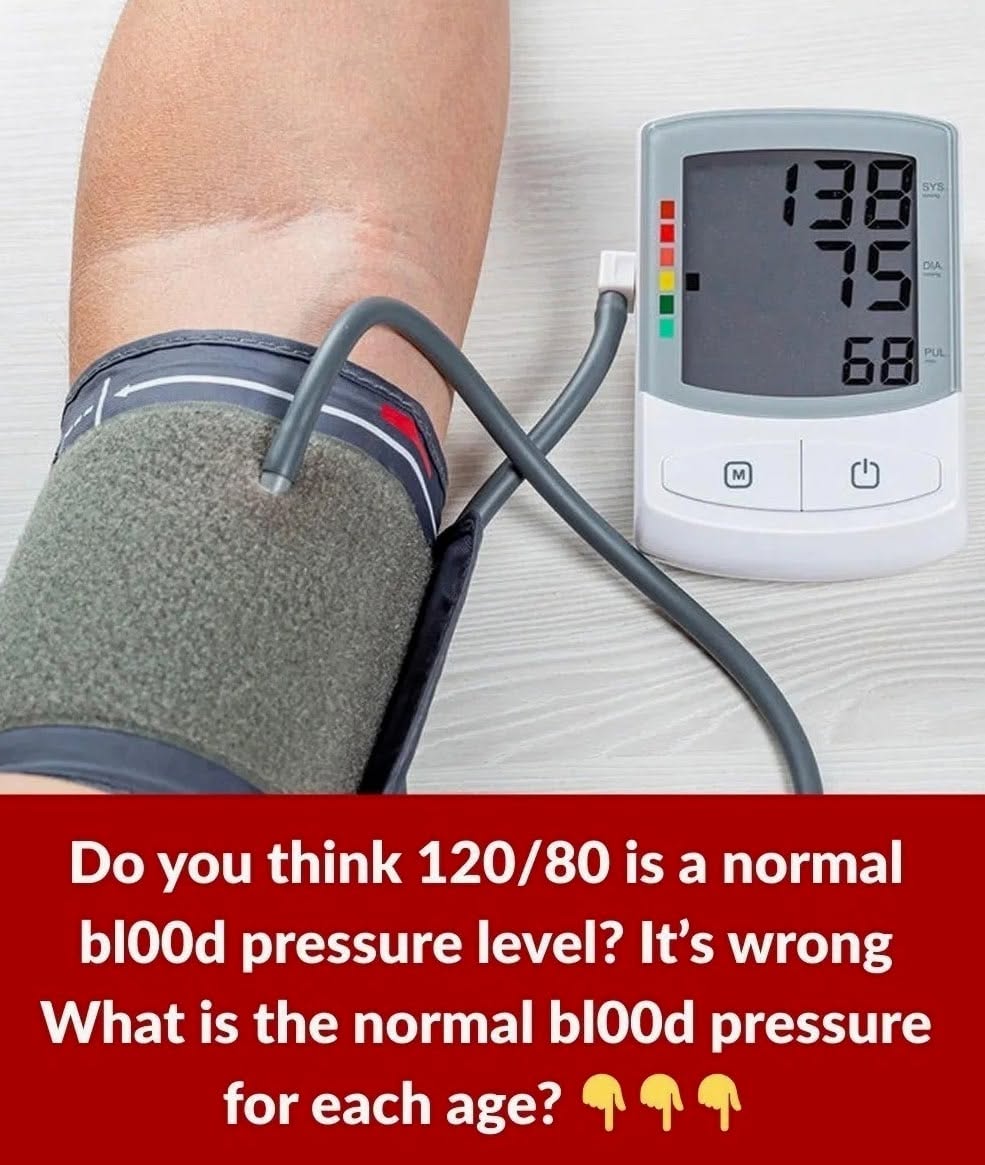
Blood pressure is written as two numbers, such as 120/80 mm Hg. The top number is systolic pressure, when the heart pumps, and the bottom number is diastolic pressure, when the heart rests between beats, according to the American Heart Association.

2
Compare adult readings with the current categories
For most teens and adults, normal blood pressure is less than 120 systolic and less than 80 diastolic. The adult categories are: elevated at 120 to 129 and less than 80, stage 1 high blood pressure at 130 to 139 or 80 to 89, and stage 2 high blood pressure at 140 or higher or 90 or higher.

3
Treat age as a risk factor, not a new normal range
Blood pressure commonly becomes more likely to rise as people get older, but that does not mean higher readings are automatically normal. The 2025 high blood pressure guideline summary still defines normal adult blood pressure as below 120/80 mm Hg and lists an overall adult treatment goal below 130/80 mm Hg, with individual considerations.

4
Check children with pediatric interpretation
Children younger than 13 should not be judged only by the adult chart. MedlinePlus explains that a child’s reading is compared with readings for children of the same age, height, and sex, while children older than 13 generally follow adult high blood pressure guidelines.

5
Measure the same careful way each time
Small technique mistakes can change the number, so sit with your back supported, feet flat, legs uncrossed, cuff on bare skin, and arm supported at chest height. The CDC recommends resting for at least 5 minutes, avoiding talking during the reading, and not eating, drinking, or exercising for 30 minutes beforehand.

6
Log several readings before drawing conclusions
One reading is only a snapshot because blood pressure changes during the day. MedlinePlus notes that clinicians consider readings over time, along with medical history and symptoms, before diagnosing high blood pressure.

7
Watch low readings and symptoms
Low blood pressure is often described as below 90/60 mm Hg, but it may be harmless for some people and a problem for others. Mayo Clinic advises paying attention to symptoms such as dizziness, fainting, blurred vision, fatigue, confusion, cold clammy skin, or a weak rapid pulse.

8
Get help for very high or concerning readings
If your blood pressure is higher than 180 systolic or 120 diastolic, wait 1 minute and check again; if it stays high, contact a health professional. Call emergency services right away if a very high reading comes with chest pain, shortness of breath, back pain, numbness, weakness, vision changes, or trouble speaking, as the American Heart Association advises.

9
Ask a clinician to set your personal target
Your safest target can depend on your age, pregnancy status, medicines, kidney disease, diabetes, heart disease, frailty, and overall health. Use the general chart to understand your numbers, but rely on your doctor or qualified health professional to confirm a diagnosis and decide whether lifestyle changes, monitoring, or treatment are needed.Important:
This article is for general information only and is not medical advice. Talk to a doctor or qualified health professional about your own situation, especially before making changes to medication, treatment, or care.
Key Takeaways
The bottom line: for most teens and adults, normal blood pressure is below 120/80 mm Hg, while children under 13 need pediatric interpretation based on age, sex, and height. Measure carefully, track patterns, and ask a health professional what target is right for you.
Frequently Asked Questions
What is normal blood pressure for adults?
For most adults, normal blood pressure is below 120 systolic and below 80 diastolic, written as below 120/80 mm Hg.
Does normal blood pressure change with age?
Adult blood pressure often rises with age, but the normal adult category is still below 120/80 mm Hg. A clinician may set an individual treatment target based on overall health.
What is normal blood pressure for children?
For children younger than 13, there is not one simple adult-style number. A health professional compares the reading with norms for children of the same age, sex, and height.
Is 130/80 normal for an older adult?
A reading of 130/80 mm Hg is generally in the high blood pressure range for adults, not the normal range. Older adults should ask their clinician what treatment goal is appropriate for their health situation.
When is blood pressure dangerously high?
A reading higher than 180 systolic or 120 diastolic needs prompt attention. If it comes with chest pain, shortness of breath, weakness, numbness, vision changes, back pain, or trouble speaking, call emergency services.
Can blood pressure be too low?
Low blood pressure is often described as below 90/60 mm Hg, but it is most concerning when it causes symptoms such as dizziness, fainting, confusion, or cold clammy skin.
Sources and References
Sources that support the guidance in this practical guide.
- https://www.heart.org/en/health-topics/high-blood-pressure/understanding-blood-pressure-readings
- https://medlineplus.gov/highbloodpressure.html
- https://www.cdc.gov/high-blood-pressure/measure/index.html
- https://professional.heart.org/en/science-news/2025-high-blood-pressure-guideline/top-things-to-know
- https://www.mayoclinic.org/diseases-conditions/low-blood-pressure/symptoms-causes/syc-20355465
- https://medlineplus.gov/ency/article/007696.htm