
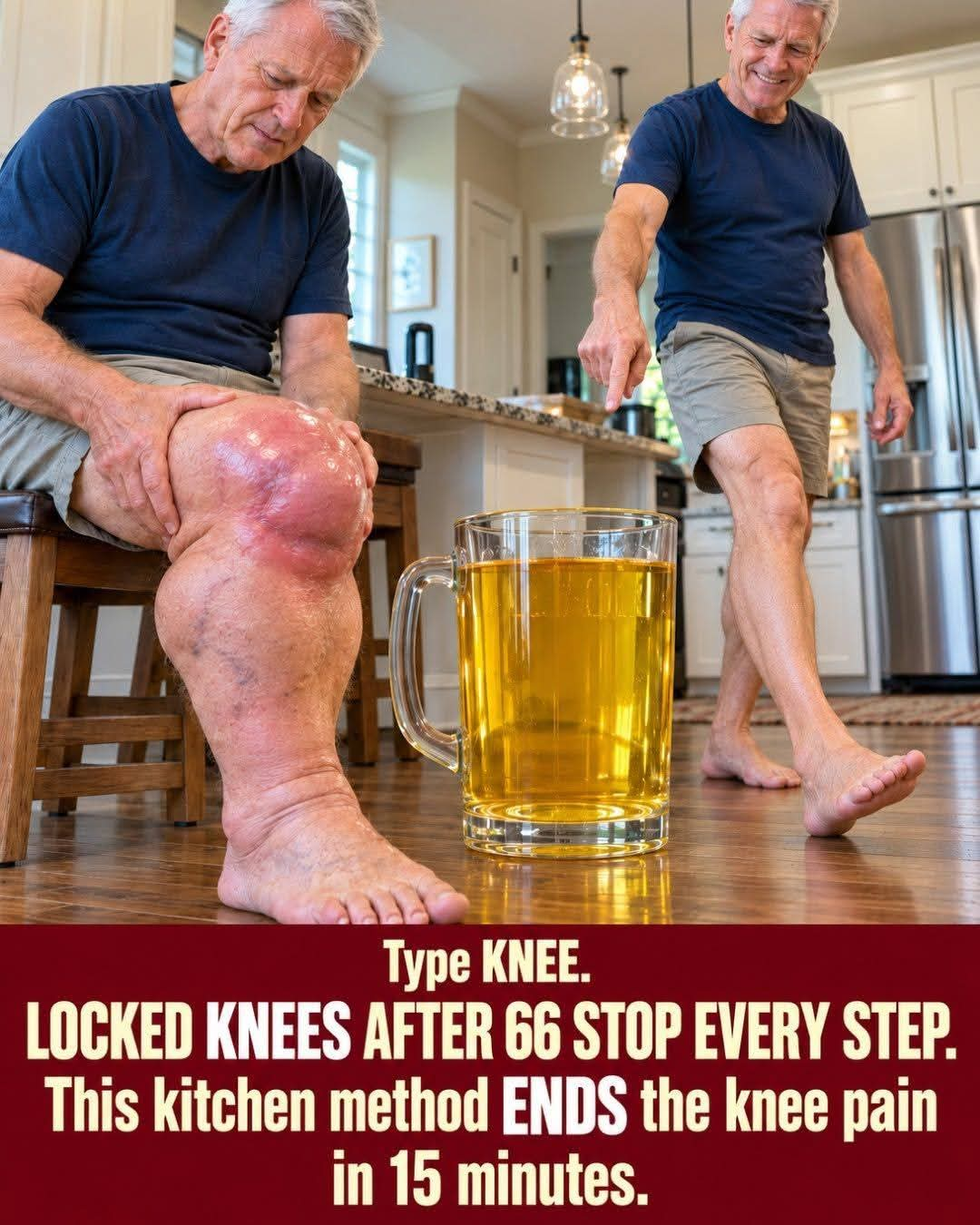
Knee stiffness and pain can become more common with age, but persistent knee pain should not simply be accepted as an unavoidable part of getting older. There are many possible causes, including osteoarthritis, previous injuries, inflammation, gout, bursitis, tendon problems, and other joint conditions.
Osteoarthritis is one of the most common causes of chronic knee pain in older adults. It occurs when the tissues within the joint gradually change over time. People may experience pain when walking, climbing stairs, standing up from a chair, or after sitting for a long period.
Morning stiffness is another common complaint. The knees may feel tight when getting out of bed or after remaining seated for a while, then become easier to move after gentle activity.
A swollen, red, and extremely painful knee, however, can have a different cause. Gout can produce sudden and intense joint inflammation, while an infection or another inflammatory condition can also cause significant swelling and pain. These situations require appropriate medical assessment rather than a homemade treatment.
You may see social media posts claiming that a simple kitchen ingredient or drink can “unlock” the knees and eliminate pain in 15 minutes. While some home measures may temporarily make a sore joint feel more comfortable, there is no reliable kitchen remedy that can permanently reverse osteoarthritis or repair damaged cartilage within minutes.
One simple approach that may provide temporary comfort is gentle heat. A warm towel or heating pad can help relax surrounding muscles and reduce the sensation of stiffness for some people. The heat should be comfortably warm rather than hot enough to burn the skin.
For a swollen knee, particularly after activity or an acute injury, cold may sometimes be more appropriate than heat. A cold pack wrapped in a cloth can be applied for a short period to help reduce discomfort and swelling.
Regular gentle movement is also important. Completely avoiding movement because of knee pain can lead to greater stiffness and weakness. Low-impact activities such as walking, swimming, cycling, or water exercise may be easier on the joints than high-impact exercise.
Strengthening the muscles around the knee can also help improve stability and function. Exercises should be appropriate for the person’s condition and performed gradually. A physical therapist can provide an individualized program when knee pain is persistent or significant.
Maintaining a healthy body weight can also reduce stress on weight-bearing joints. Even modest weight loss may reduce the mechanical load placed on the knees during everyday activities.
Supportive footwear can make walking more comfortable as well. Shoes that fit properly and provide appropriate support may help reduce unnecessary stress on the lower limbs.
Pain medication may be appropriate for some people, but older adults should be particularly careful about using medications without professional advice. Certain pain relievers can interact with other medicines or may not be appropriate for people with kidney disease, stomach ulcers, cardiovascular conditions, or other health problems.
A doctor can determine whether the pain is actually caused by osteoarthritis and whether additional treatment is needed. Depending on the situation, treatment may include physical therapy, medications, injections, assistive devices, or other interventions.
Seek medical attention promptly if the knee suddenly becomes very swollen, hot, red, or severely painful, particularly if you also have a fever. You should also be evaluated after a significant injury or if you suddenly cannot put weight on the leg.
The good news is that knee pain does not have to mean giving up normal activity. Many people with osteoarthritis can remain active and improve their mobility through a combination of appropriate exercise, strengthening, weight management, pain control, and professional care.
A warm kitchen remedy may feel soothing, but claims that it can completely eliminate chronic knee pain in 15 minutes should be treated with caution. The safest approach is to identify the reason for the pain and choose treatment based on the actual condition affecting the joint.
If your knees are becoming stiff, painful, or increasingly difficult to use, getting the problem assessed can help you find a treatment plan that supports mobility rather than simply masking the symptoms.